 EN
EN  Español
 get a free quote

What Ball Bungee Cords Are Best Used For
Ball bungee cords are one of the most versatile fastening tools available, and their primary strength lies in quick, tool-free securing of tarps, covers, bags, nets, and gear across dozens of settings. Unlike traditional hook-end bungees, the ball-end design threads through grommets or fabric loops and locks in place without scratching surfaces or snagging material — making them safer and more adaptable for everyday use.
A standard ball bungee typically consists of a short elastic cord (ranging from 6 to 18 inches) with a molded plastic or rubber ball on one or both ends. The ball is pushed through a grommet hole or looped fabric, then springs back to lock. This simple mechanism has made ball bungees a staple in camping, automotive, marine, agricultural, and home organization applications.
Outdoor and Camping Uses
Campers and outdoor enthusiasts rely heavily on ball bungee cords because they work fast in low-light or cold-weather conditions when fumbling with hooks or knots is impractical.
Tarp and Shelter Setup
Ball bungees are the go-to choice for attaching tarps to trees, poles, or tent frames. A 9-inch ball bungee, for example, can hold a standard tarp grommet securely even in wind speeds up to 30 mph when properly tensioned. Many backpackers carry a set of 10–20 ball bungees instead of extra rope to save weight and setup time.
Hammock and Gear Hanging
Ball bungees can be used to hang gear bags, lanterns, or food sacks from hammock ridgelines or overhead branches. Their elastic stretch absorbs movement caused by wind or body shifting, reducing wear on attachment points over time.
- Securing tent rain flies to ground stakes
- Bundling tent poles together for transport
- Attaching gear loops on backpacks to external items
- Keeping sleeping bag rolled and compressed
Automotive and Truck Bed Applications
One of the most popular uses for ball bungee cords is in truck beds and trailers. They pass through tie-down grommets on cargo nets and truck bed covers with ease, creating a firm, rattle-resistant hold during transport.
Securing Cargo Nets and Covers
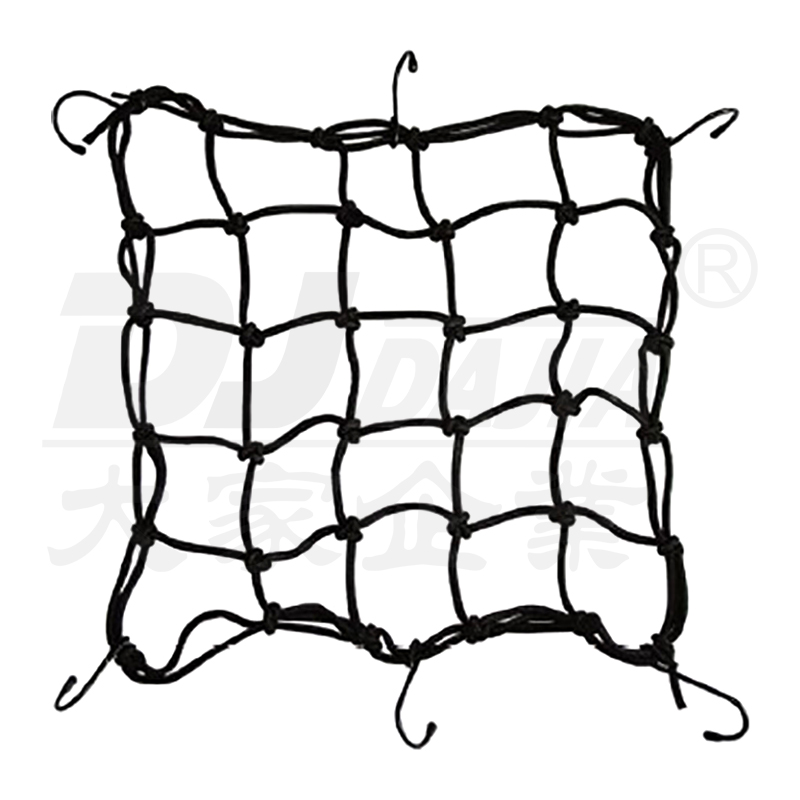
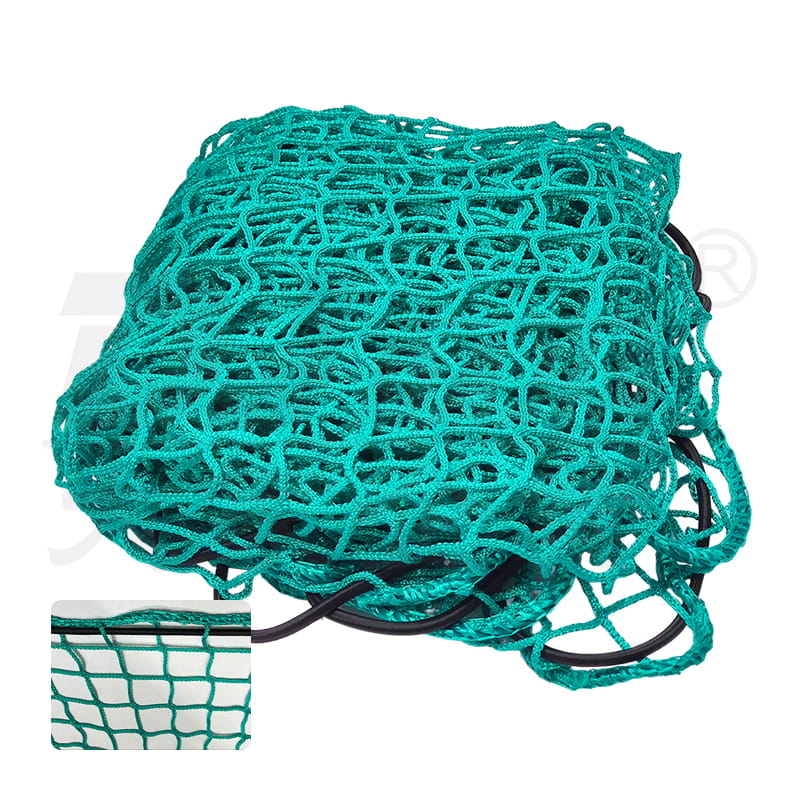
Ball bungees are the standard fastener used with most aftermarket cargo nets because their ball end fits the 3/8-inch to 1/2-inch grommet holes found on the majority of commercial nets. A set of 12 ball bungees can hold a fully loaded cargo net over a truck bed carrying up to 200 lbs of loose materials such as mulch bags, lumber, or camping gear.
Motorcycle and ATV Rack Tie-Downs
Riders use ball bungees to attach luggage, dry bags, and soft cases to rear racks. Because they lack metal hooks, they won't scratch painted or powder-coated frames — a practical advantage over standard hook bungees.
- Holding truck bed tonneau covers in place
- Fastening spare tire covers on SUVs and Jeeps
- Bundling extension cords and hoses in vans
- Securing loose tarps during transport
Marine and Boating Uses
Marine environments demand fasteners that resist moisture, UV exposure, and salt corrosion. Ball bungee cords made with UV-stabilized polypropylene cord and nylon or rubber balls are well suited for boat use, outperforming metal hook alternatives that are prone to rust and corrosion.
Boat Covers and Canvas
Ball bungees are used to secure boat covers, bimini top canvas, and cockpit enclosures to their frames. Their elastic stretch accommodates movement caused by waves or wind without putting rigid stress on the canvas grommets. Marine-grade ball bungees with UV-resistant cording can last 3–5 seasons in sun and saltwater environments, compared to standard bungees that may degrade within a single season.
Dock and Kayak Storage
Kayakers and paddleboard users attach dry bags, paddles, and safety gear to deck lines and bungee cord systems using ball bungees. They are also used to bundle and store lines on docks during off-season periods.
Agricultural and Farm Uses
Farms and agricultural operations use large quantities of ball bungees for securing row covers, shade cloth, and irrigation tarps. Their ability to work with grommeted fabrics and polypropylene mesh makes them especially practical in field settings.
- Fastening row cover fabric to greenhouse frames and hoops
- Securing shade cloth over raised beds or animal pens
- Holding fence netting along fence lines
- Bundling irrigation hoses during storage
- Closing feed bags or grain sacks temporarily
A single farm may use hundreds of ball bungees across seasons. Buying in bulk packs of 50 or 100 units — commonly available for under $15–$25 — makes them a highly cost-effective solution compared to wire ties, clips, or rope.
Home Organization and Storage
Ball bungees have found a firm place in home garages, workshops, and storage rooms. Their ability to bundle, hang, and secure items without tools makes them practical for everyday organization tasks.
Garage and Workshop Organization
Use ball bungees to bundle garden hoses, power cords, or PVC pipes for clean wall storage. They can also secure tools or long-handled equipment to pegboards, wall mounts, or storage racks without permanent fixtures.
Sports Equipment Storage
Ball bungees are widely used in sports gear organization. They bundle yoga mats, sleeping pads, rolled-up exercise equipment, and even ski poles or fishing rods into tidy, compact units. A single 9-inch ball bungee can compress a standard yoga mat by 30–40% when wrapped around it twice, making it easier to stack or hang.
- Bundling electrical cords and cables behind TVs or desks
- Keeping rolled window shades or blinds secured during storage
- Securing items in storage bins to prevent shifting
- Hanging lightweight tools on storage walls using ball end as a hook anchor
Ball Bungee Cord Sizes and What Each Is Best For
Ball bungee cords come in several standard sizes, and choosing the right size matters for performance and safety. Here is a practical guide:
| Size | Best Use Cases | Typical Load |
|---|---|---|
| 6 inch | Bundling cords, small gear, light covers | Up to 5 lbs |
| 9 inch | Cargo nets, tarps, camping, motorcycle racks | Up to 15 lbs |
| 12 inch | Boat covers, truck beds, agricultural fabric | Up to 25 lbs |
| 18 inch | Heavy tarps, large shade cloth, trailer loads | Up to 40 lbs |
For most general-purpose use, the 9-inch ball bungee is the most versatile size and is what most packs default to. Keep a mix of 6-inch and 12-inch on hand for specialized jobs.
Ball Bungee vs. Hook Bungee: When to Choose Each
Both ball bungees and traditional hook bungees have their place, but they are not interchangeable for every task. Understanding the difference helps avoid damage and safety hazards.
| Feature | Ball Bungee | Hook Bungee |
|---|---|---|
| Surface Safety | No scratching or snagging | Can scratch painted surfaces |
| Best Attachment Point | Grommets, fabric loops, mesh | Fixed bars, D-rings, rails |
| Ease of Use | Very fast, one-handed | Requires precise hooking |
| Injury Risk | Low — no metal snap-back | Higher — metal hook recoil |
| Heavy Load Capacity | Moderate | Higher for rigid loads |
Choose ball bungees when working with tarps, nets, covers, or fabric-based materials — they are safer and faster. Use hook bungees when you need higher tension on rigid cargo tied to fixed anchor points such as trailer rails.
Tips for Getting the Most Out of Ball Bungee Cords
A few practical habits will extend the life and performance of your ball bungees significantly.
- Inspect cords before each use — discard any bungees showing cracks, fraying, or brittleness in the elastic cord, as these can snap under tension.
- Store out of direct UV sunlight when not in use — prolonged sun exposure degrades standard elastic cord within 12–18 months.
- Do not overstretch — most ball bungees are designed to stretch to about 150% of their resting length; exceeding this reduces elasticity permanently.
- Match bungee length to the gap — a cord that is too long will have insufficient tension, while one too short risks snapping or pulling out of grommets.
- For marine use, rinse with fresh water after saltwater exposure to extend lifespan.
Replacing ball bungees proactively — typically every 1–2 seasons for heavy outdoor use — is far cheaper than replacing damaged cargo or equipment that fails due to a worn cord.