 EN
EN  Español
 get a free quote

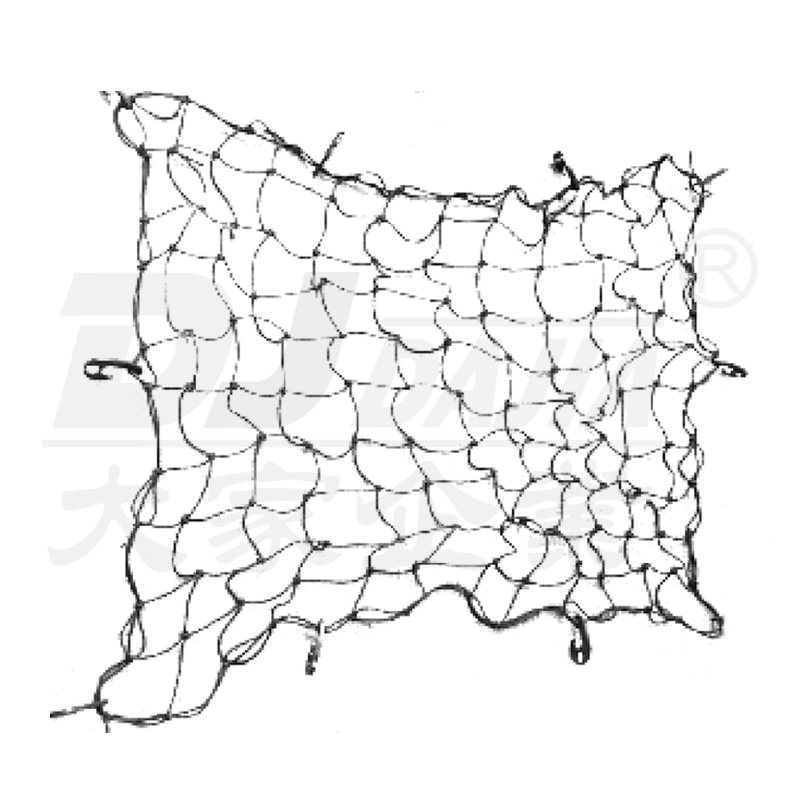
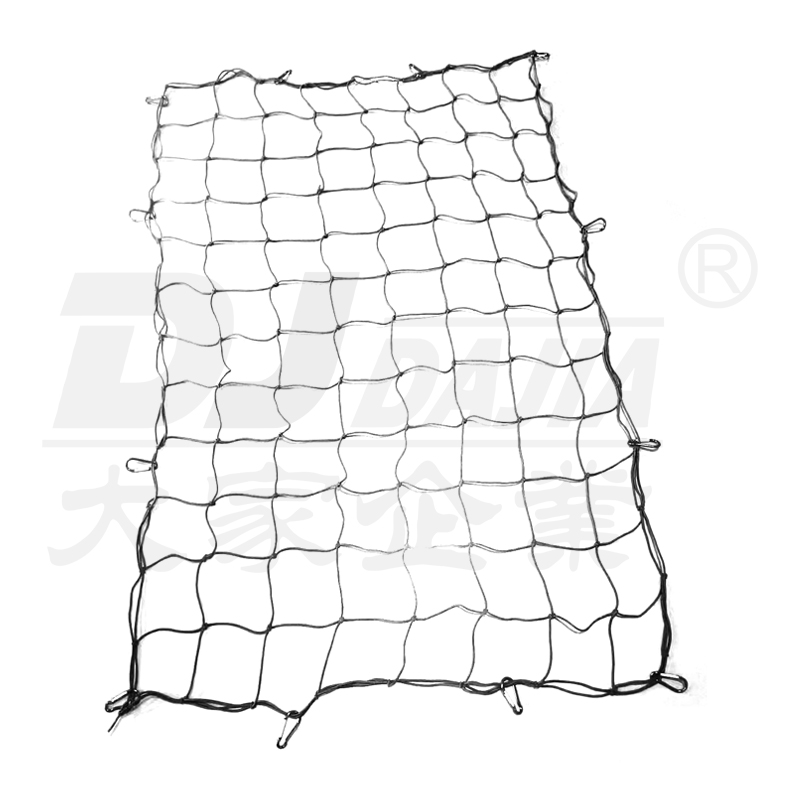
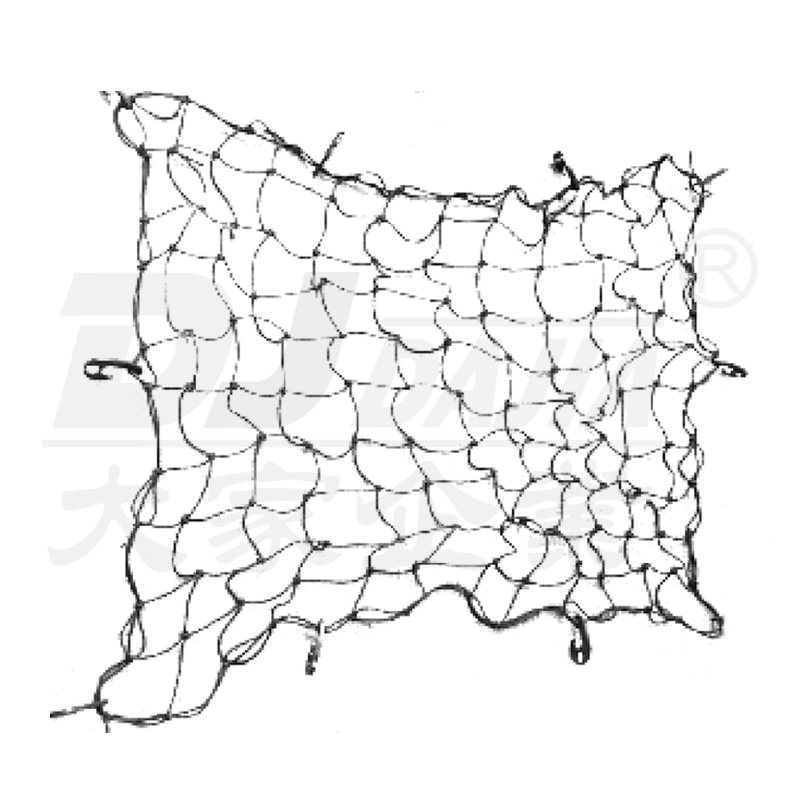
Elastic cargo nets offer numerous advantages over traditional cargo securing systems, making them a preferred choice for many industries. One of the primary benefits of using elastic cargo nets is their ability to accommodate a wide variety of cargo shapes and sizes. Unlike rigid tie-down straps or chains, which can be cumbersome and may not conform well to irregularly shaped loads, elastic cargo nets provide a flexible solution. Their stretchable nature allows them to securely wrap around different items, ensuring a snug fit that minimizes movement during transit. This adaptability is particularly valuable in industries such as logistics and transportation, where cargo can vary significantly from one load to the next.
Another significant advantage of elastic cargo nets is their ease of use. Securing cargo with traditional methods often involves multiple steps, including threading straps through hooks or adjusting tension. In contrast, elastic cargo nets can be quickly deployed, often requiring just a few moments to position and secure. This efficiency not only speeds up loading and unloading times but also reduces labor costs, as fewer personnel may be needed to manage the securing process. Moreover, the simplicity of using elastic nets means that workers can focus more on other operational tasks, enhancing overall productivity.
Durability is a key factor when selecting cargo securing systems, and elastic cargo nets excel in this area. Made from robust materials such as heavy-duty nylon or polyester, these nets are designed to withstand harsh conditions, including exposure to UV light, moisture, and extreme temperatures. This resilience contributes to their longevity, reducing the frequency of replacements and repairs compared to conventional securing methods. Furthermore, elastic cargo nets often feature reinforced stitching and heavy-duty hooks, ensuring that they maintain their integrity under significant stress. The combination of strength and flexibility makes them particularly effective for transporting heavy or unevenly distributed loads, which can pose challenges for traditional methods.
Safety is another crucial consideration in cargo transportation, and elastic cargo nets can enhance load security significantly. Their design allows for an even distribution of tension across the cargo, minimizing the risk of shifting or tipping during transport. This stability is vital not only for protecting the cargo itself but also for ensuring the safety of drivers and other road users. In contrast, improperly secured loads using traditional methods can lead to accidents, potentially resulting in injury or damage to property. By providing a more reliable means of securing cargo, elastic nets contribute to safer transportation practices.
From a commercial perspective, the use of elastic cargo nets can also translate to cost savings. Their versatility means that a single net can serve multiple purposes, reducing the need for businesses to invest in various types of securing equipment. This multi-functionality can be particularly beneficial for companies that handle diverse types of cargo, as it streamlines inventory management and minimizes storage requirements. Additionally, the durability and ease of use of these nets can lead to lower operational costs over time, as they reduce labor needs and the risk of cargo loss or damage.
The advantages of using elastic cargo nets over other types of cargo securing systems are manifold. Their adaptability to various cargo shapes, ease of use, durability, enhanced safety, and commercial value make them a smart choice for many industries. As transportation demands continue to evolve, the adoption of versatile and efficient securing methods like elastic cargo nets will likely become increasingly prevalent, highlighting their ultimate value in modern logistics and cargo management.