 EN
EN  Español
 get a free quote

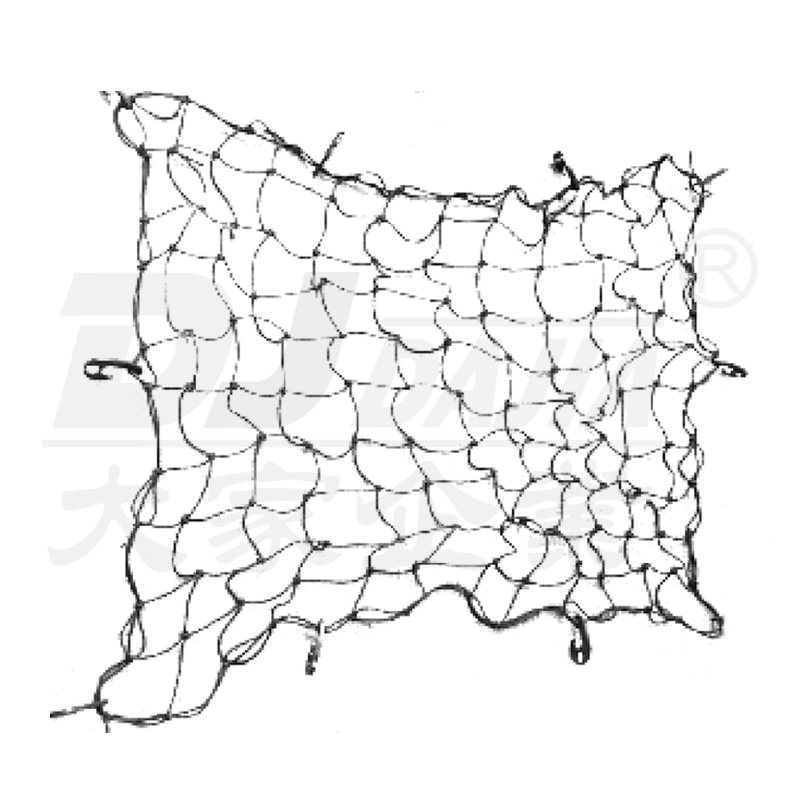
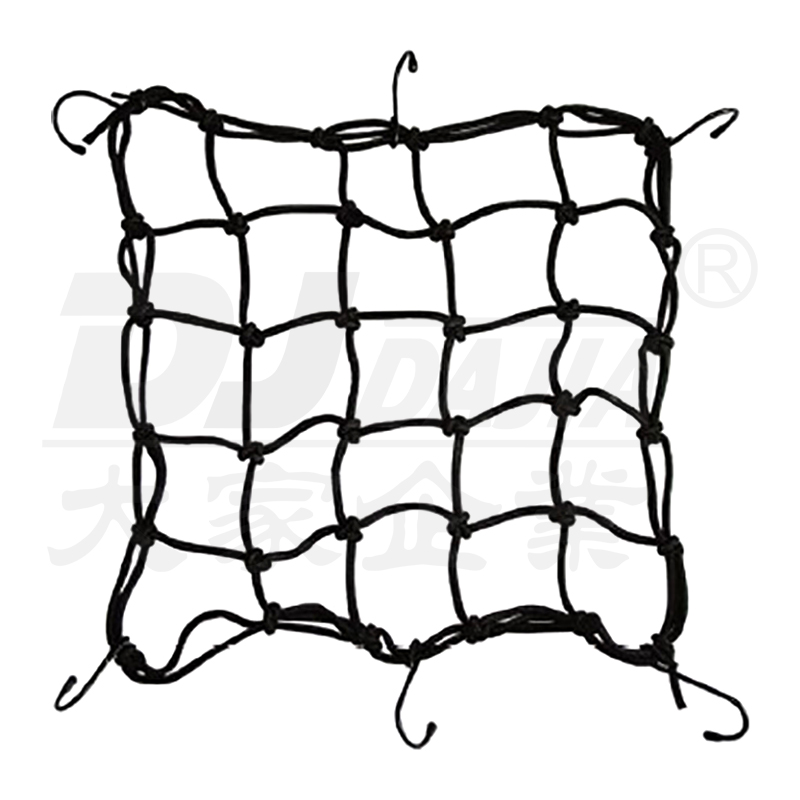
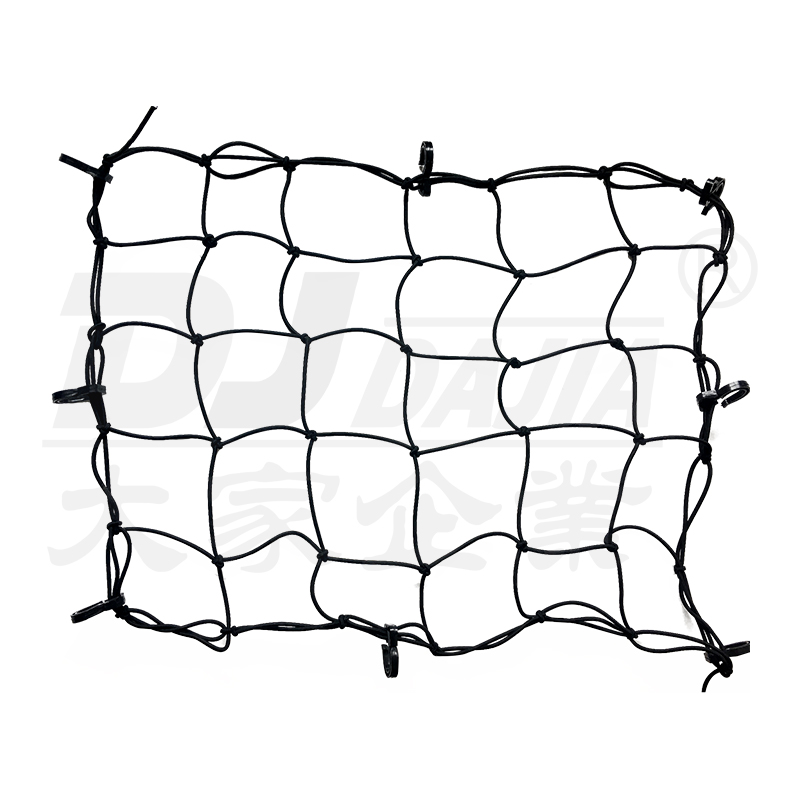
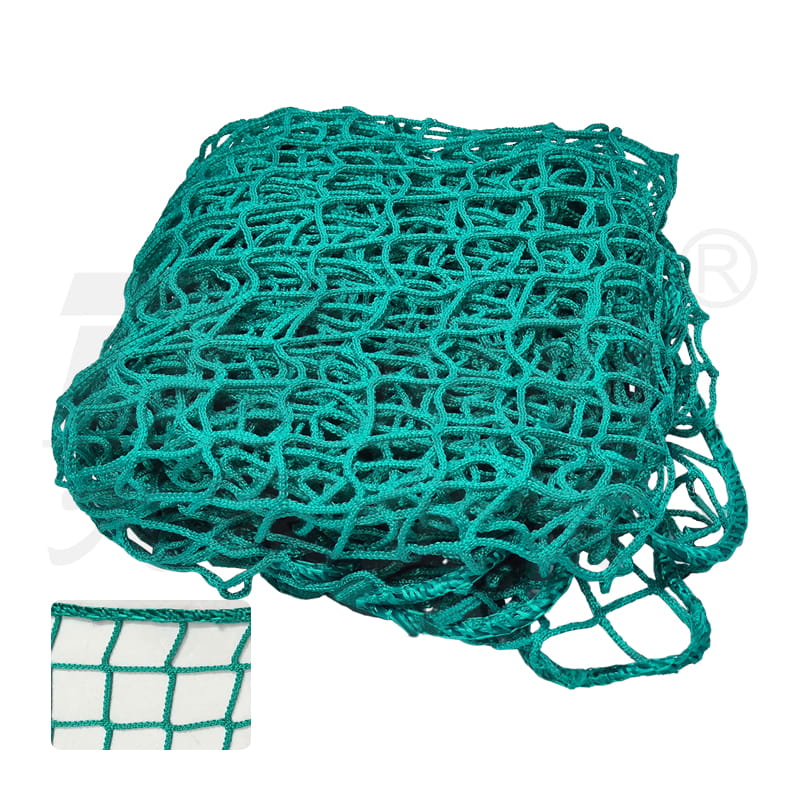
Mesh heavy duty polypropylene elastic cargo nets are specialized restraint systems designed to secure loads during transportation and storage. These nets combine polypropylene fiber construction with elastic properties, creating a flexible yet robust solution that conforms to irregular load shapes while maintaining tension. The mesh design distributes pressure evenly across cargo surfaces, preventing damage while ensuring items remain stationary under dynamic conditions.
The primary advantage lies in their material composition: polypropylene offers superior resistance to moisture, chemicals, and UV degradation compared to traditional nylon or polyester alternatives. When integrated with elastic edges or throughout the mesh structure, these nets accommodate load shifting without losing grip, making them ideal for truck beds, trailers, warehouse storage, and outdoor equipment securing.
Material Properties and Construction Standards
Polypropylene's molecular structure provides distinct mechanical advantages for cargo netting applications. The polymer chains exhibit tensile strength ranging from 3,500 to 5,000 PSI in heavy-duty configurations, while maintaining flexibility across temperature ranges from -40°F to 180°F. This thermal stability ensures consistent performance in diverse climates without becoming brittle or excessively slack.
Manufacturing Specifications
Heavy duty variants typically utilize 4mm to 6mm diameter polypropylene cord woven or knotted into mesh patterns with 2-inch to 4-inch openings. The elastic component is achieved through two primary methods:
- Elastomeric border integration using natural or synthetic rubber edges that provide 150-200% stretch capacity
- Full elastic mesh construction incorporating elasticized polypropylene yarns throughout the netting for uniform flexibility
- Hybrid designs with polypropylene mesh cores and elastic perimeter bands for balanced rigidity and adaptability
| Specification | Standard Duty | Heavy Duty | Extra Heavy Duty |
|---|---|---|---|
| Cord Diameter | 3mm | 4-5mm | 6mm+ |
| Breaking Strength | 800 lbs | 1,500-2,000 lbs | 2,500+ lbs |
| Mesh Opening | 4 inches | 2-3 inches | 1.5-2 inches |
| UV Resistance | 2 years | 3-5 years | 5+ years |
Quality nets incorporate UV stabilizers at 2-3% polymer weight during extrusion, significantly extending outdoor lifespan. Industrial testing protocols like ASTM D6637 verify tensile properties, while D4355 standards assess UV degradation resistance over accelerated weathering cycles.
Application-Specific Performance Characteristics
Different transportation and storage scenarios demand specific net configurations. Understanding load dynamics helps match net properties to operational requirements.
Transportation and Logistics
For flatbed truck applications carrying construction materials or agricultural products, nets with 6'x8' to 8'x12' dimensions are most common. The elastic border allows the net to stretch over irregular load profiles while maintaining at least 500 pounds of retention force. Professional haulers often select nets with reinforced corner grommets rated for 300-pound individual anchor point loads.
Pickup truck bed applications benefit from smaller formats (4'x6' or 5'x7') with hook-and-loop or S-hook attachment systems. These nets prevent lightweight cargo like camping gear, firewood, or gardening supplies from shifting during transit, particularly effective when loads don't require full tarp coverage.
Warehouse and Storage Solutions
Vertical cargo rack systems utilize polypropylene nets as safety barriers preventing items from falling. Industrial facilities commonly install 10'x10' or larger panels with mesh openings sized to block the smallest stored items. The elastic properties accommodate stacking variations without requiring constant adjustment.
Marine and outdoor equipment storage particularly benefits from polypropylene's hydrophobic nature—the material absorbs less than 0.1% of its weight in water, preventing mildew growth and maintaining strength in humid conditions. Boat owners frequently use 6'x8' nets to secure deck cargo, with UV-stabilized variants lasting 5-7 years in continuous saltwater exposure.
Installation Methods and Securing Techniques
Proper installation maximizes net effectiveness and longevity. The elastic component requires specific tensioning approaches to balance security with material preservation.
Anchor Point Configuration
Heavy duty polypropylene nets typically feature reinforced perimeter loops or grommets spaced at 12-18 inch intervals. For truck bed installation, anchor points should engage factory-installed tie-down hooks or aftermarket D-rings rated for minimum 1,000-pound working loads. The net should be stretched to approximately 120-150% of its relaxed dimension—enough tension to eliminate slack without exceeding the elastic border's 200% maximum extension.
- Position the net over the load with equal overhang on all sides
- Attach opposite corners first to establish baseline tension
- Secure remaining corner points while maintaining uniform stretch
- Engage intermediate attachment points from center outward to eliminate sagging
- Verify tension by pressing center—proper installation allows 2-3 inches of depression under firm pressure
Hardware Compatibility
Common attachment methods include:
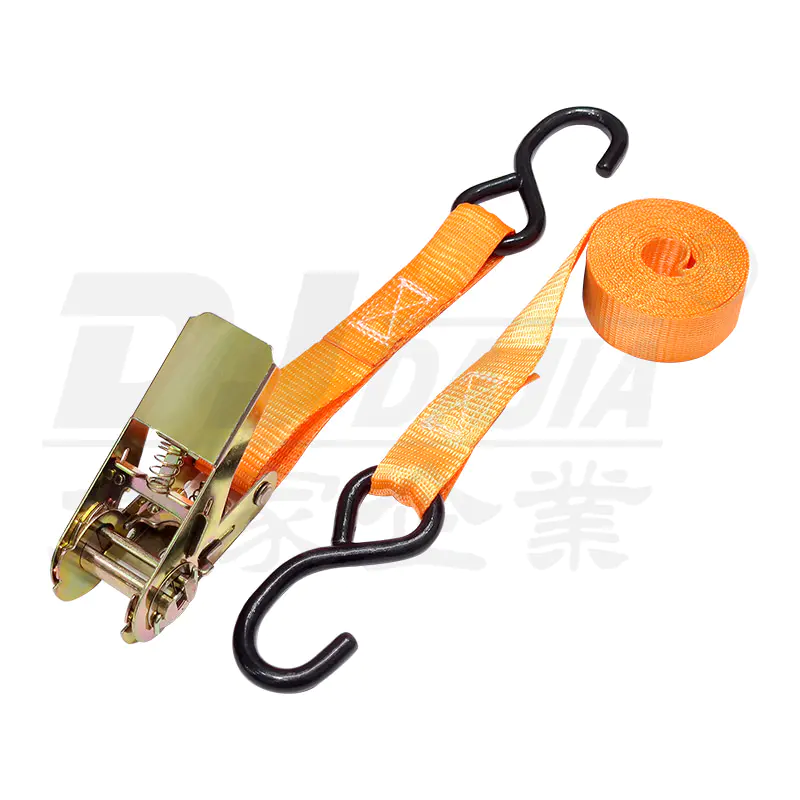
- Galvanized steel S-hooks (3/8-inch diameter minimum) for quick attachment to open anchor points
- Carabiners with 1,200-pound gate strength ratings for applications requiring frequent removal
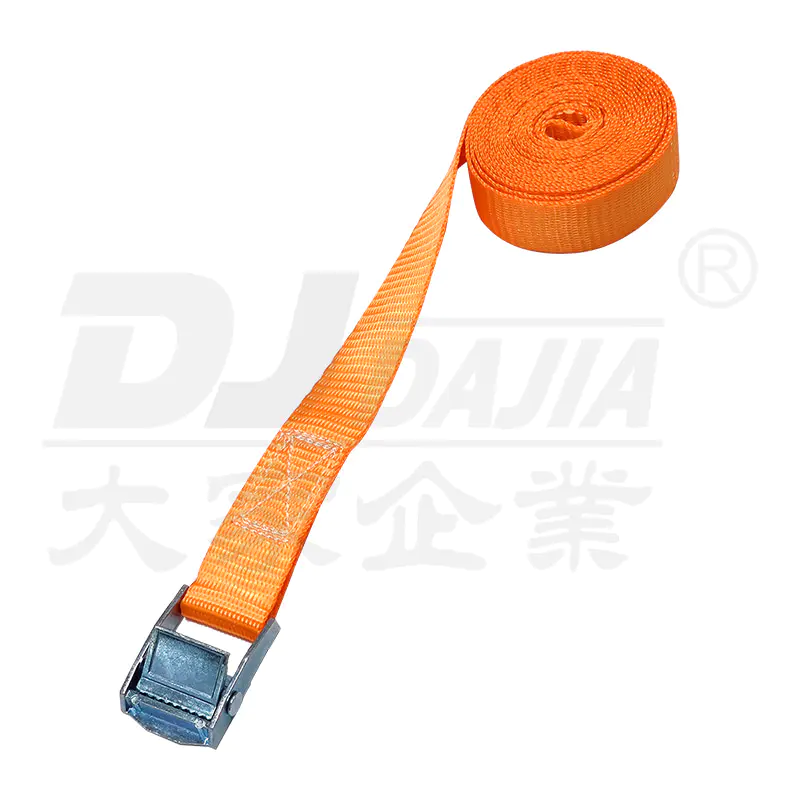
- Cam buckle straps integrated with net corners for maximum adjustability and theft resistance
- Permanent bolt-through installations using backing plates for fixed warehouse applications
For trailer applications exceeding 55 mph highway speeds, double-securing critical anchor points with secondary retention straps provides redundancy. DOT regulations for commercial carriers often require nets to maintain minimum 5,000-pound aggregate working load limit when used as primary cargo restraint systems.
Durability Factors and Maintenance Protocols
Polypropylene's chemical stability provides inherent durability advantages, but environmental exposure and mechanical stress still necessitate regular inspection and care procedures.
Environmental Resistance Profile
Polypropylene demonstrates exceptional resistance to most common contaminants. Laboratory testing shows zero strength degradation after 30-day immersion in diesel fuel, motor oil, battery acid (diluted sulfuric acid), and saltwater solutions. This makes these nets particularly suitable for industrial environments where chemical exposure is routine.
However, prolonged UV exposure remains the primary degradation mechanism. Unstabilized polypropylene loses approximately 50% tensile strength after 6-12 months of direct sunlight exposure. UV-stabilized variants extend this timeline significantly—premium nets with carbon black pigmentation and benzophenone stabilizers maintain 80% original strength after 5 years outdoors.
Inspection and Replacement Criteria
Professional transportation operations should implement quarterly inspection protocols:
- Examine all mesh junctions for broken or frayed strands—replace nets showing more than 5% junction failures
- Check elastic borders for cracking or permanent deformation exceeding 10% of original length
- Inspect anchor point reinforcements for tearing or grommet pullout—any separation warrants immediate replacement
- Test color uniformity—significant fading or whitening indicates UV degradation approaching failure threshold
Cleaning extends service life considerably. Hosing off mud, debris, and road salt after each use prevents abrasive particle accumulation. For heavily soiled nets, mild detergent solution (pH 7-9) with soft brush scrubbing removes contaminants without damaging fibers. Avoid pressure washers exceeding 1,200 PSI, which can fray polypropylene strands.
Selection Criteria for Specific Use Cases
Matching net specifications to operational demands prevents both over-engineering costs and inadequate performance failures.
Load Weight and Distribution Analysis
Calculate the total cargo weight and divide by planned anchor points to determine per-attachment load. A 500-pound load secured with 8 anchor points generates approximately 65 pounds per attachment under static conditions, but highway vibration and acceleration introduce dynamic load factors of 2-3x. Therefore, each anchor point should withstand 200 pounds, requiring heavy duty net construction.
For irregular loads like bundled lumber or bagged materials, smaller mesh openings (2-inch versus 4-inch) prevent items from pushing through gaps. Equipment with protruding components benefits from 1.5-inch mesh specifications that contain all elements within the net perimeter.
Exposure Duration and Conditions
Categorize applications by exposure type:
- Indoor/covered storage: Standard UV protection adequate; focus on tensile strength and mesh density
- Intermittent outdoor (weekly use): Mid-grade UV stabilization; expect 3-4 year service life
- Continuous outdoor exposure: Premium UV packages with carbon black; budget for replacement every 5-6 years
- Marine/chemical environments: Polypropylene's chemical resistance becomes critical; prioritize material purity over cost
Cost-Benefit Optimization
Heavy duty polypropylene elastic cargo nets range from $25-$150 depending on size and specifications. A 6'x8' heavy duty net averaging $60 provides better long-term value than three $25 standard duty replacements over the same period. For commercial operations securing loads daily, investing in extra heavy duty variants reduces downtime from equipment failure and potential cargo damage claims.
However, occasional users transporting lightweight recreational equipment can achieve adequate performance with standard duty options. The key is honest assessment of actual load weights and frequency—many users over-specify requirements, while safety-critical applications sometimes under-invest in net quality.
Regulatory Compliance and Safety Standards
Commercial transportation using cargo nets must comply with Federal Motor Carrier Safety Administration (FMCSA) regulations outlined in 49 CFR 393.100-136. These standards specify that cargo securement devices must withstand 0.8g deceleration force forward, 0.5g laterally, and 0.2g upward without failure.
For a 1,000-pound load, nets must sustain 800 pounds forward pull, 500 pounds side pull, and 200 pounds upward lift simultaneously. Heavy duty polypropylene nets meeting these requirements typically display working load limit (WLL) ratings of 1,500+ pounds for the complete assembly.
Industry Certification Programs
While not legally mandated for all applications, third-party testing verification provides quality assurance. Organizations like the Web Sling and Tie Down Association (WSTDA) offer voluntary certification programs. Certified nets undergo:
- Proof testing at 2x rated working load to verify structural integrity
- Break testing to confirm minimum 5:1 safety factor above WLL
- Accelerated aging protocols simulating 5 years of environmental exposure
- Abrasion resistance testing per ASTM D4157 standards
Reputable manufacturers provide specification sheets documenting these test results, enabling fleet managers to verify compliance during DOT inspections. Nets lacking documentation may function adequately but create liability concerns if involved in cargo loss incidents.
Comparative Analysis with Alternative Materials
Understanding polypropylene's performance relative to other cargo net materials helps validate selection decisions for specific applications.
| Material | Tensile Strength | UV Resistance | Water Absorption | Cost Index |
|---|---|---|---|---|
| Polypropylene | 4,000 PSI | Good (w/stabilizers) | <0.1% | 1.0x |
| Nylon | 6,500 PSI | Moderate | 4-8% | 1.8x |
| Polyester | 5,500 PSI | Excellent | 0.4% | 1.5x |
| Natural Fiber | 1,200 PSI | Poor | 15-25% | 0.7x |
Nylon offers superior raw strength but absorbs moisture that reduces strength by 10-15% when saturated. This makes nylon less suitable for marine applications or regions with high humidity. Polyester provides the best UV resistance and minimal water absorption, but costs 50% more than polypropylene for equivalent load ratings.
Polypropylene's optimal balance of cost, chemical resistance, and adequate strength for most cargo securement tasks explains its dominant market position. The material comprises approximately 60% of commercial cargo nets sold in North America, with nylon and polyester serving specialized high-strength or extreme-environment applications.