 EN
EN  Español
 get a free quote

What Is a Motorcycle Elastic Cargo Net and Why You Need One
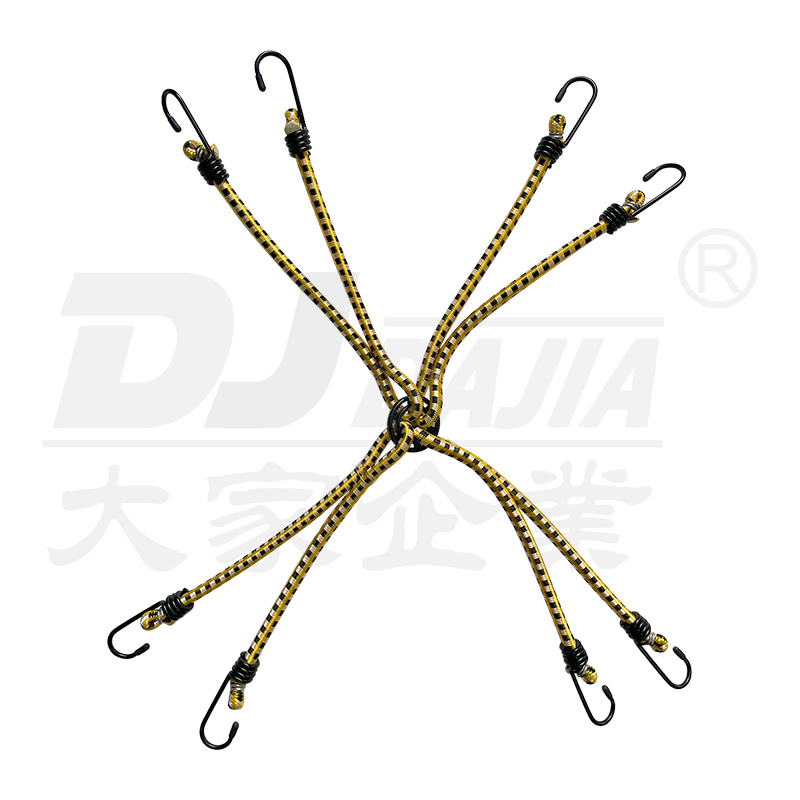
A motorcycle elastic cargo net is a stretchable mesh made from bungee-type cords with hooks around the edges, designed to secure items on a motorcycle’s rear seat, luggage rack, or top box lid. It is a compact, low-cost solution that keeps helmets, backpacks, groceries, and small luggage from shifting or falling during a ride, making it one of the most useful everyday accessories for commuting and touring riders.
Unlike hard luggage or fixed straps, a cargo net distributes tension across multiple elastic strands. This creates a conforming “web” that grips irregular shapes firmly, absorbs vibration and movement, and is quick to attach and remove. For riders who often carry small or odd-shaped loads, an elastic cargo net offers a blend of convenience, versatility, and safety that is hard to match.
Key Features of a Good Motorcycle Elastic Cargo Net
Elastic Material and Stretch Characteristics
Most motorcycle cargo nets are made from latex or rubber cords sheathed in a woven fabric. The core material determines how much the net can stretch and how well it returns to its original shape. High-quality nets offer strong elasticity with a consistent rebound, meaning they stay tight throughout the ride instead of loosening as the material fatigues. Poor-quality nets may stretch unevenly, creating slack sections that allow cargo to move.
Look for nets with thick elastics, usually around 4–5 mm per strand, with multiple strands intersecting to form the grid. A net that stretches to about 1.5–2 times its resting size is ideal: it provides enough give to wrap around bulky items without overstraining the cords, which can shorten the product’s lifespan and compromise safety.
Hooks: Type, Quantity, and Safety Considerations
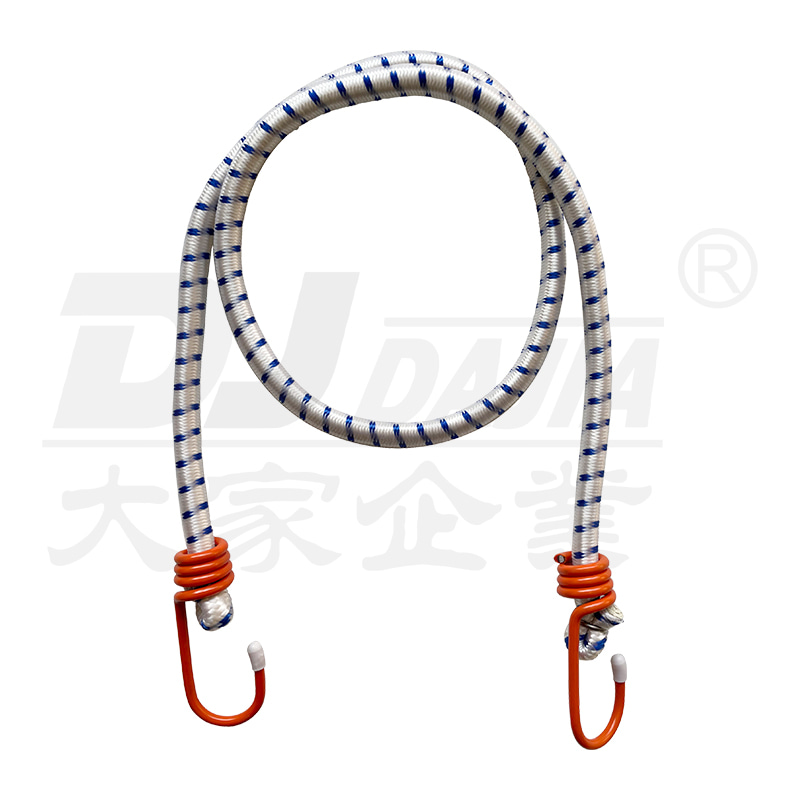
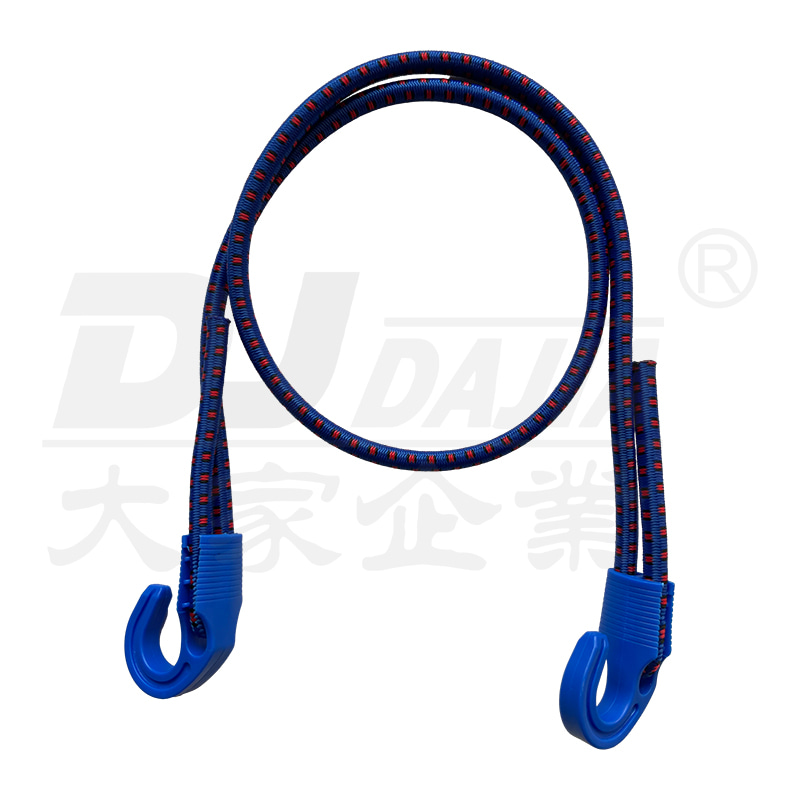
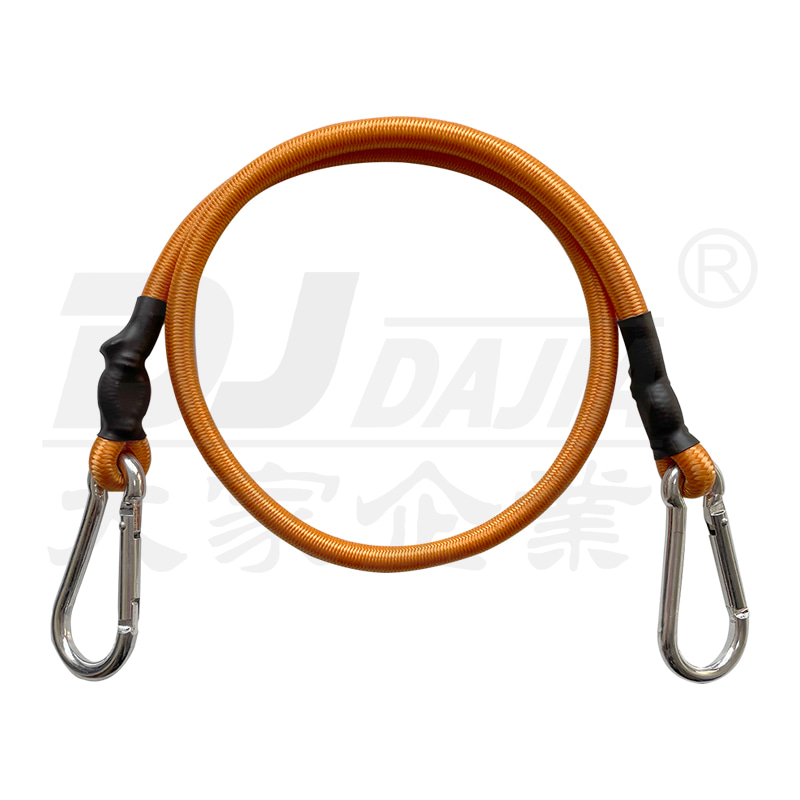
The hooks on a motorcycle elastic cargo net are just as important as the net itself because they anchor the tension to your bike. Nets typically use plastic, coated metal, or stainless-steel hooks. Plastic hooks are lightweight and unlikely to scratch paint, but they may be weaker. Metal hooks are stronger, but uncoated ones can damage surfaces and may rust. Coated or rubberized metal hooks provide strength with reduced risk of cosmetic damage and corrosion.
A good cargo net normally has 6 to 10 hooks, allowing flexible attachment points so the net can be centered and tensioned evenly. Hooks should be closed or feature a safety tip or latch to prevent the net from disconnecting when the suspension compresses or the bike hits bumps. Open, sharp hooks can slip off or injure you if you accidentally snag them while loading cargo.
Mesh Size and Coverage Area
Mesh size refers to the distance between the intersection points of the elastic strands and has a big effect on what you can safely carry. Smaller mesh openings are better for small objects, such as gloves, groceries, or compact tools, because they are less likely to squeeze through the gaps. Larger mesh suits bulkier loads but may require additional support to prevent smaller items from slipping out.
The coverage area is the overall resting size of the net, commonly around 30 cm × 30 cm or 40 cm × 40 cm. A larger net can cover bigger items and wrap around both the load and the mounting surface, such as the seat and rack together. However, an oversized net used on a small bike may need to be over-stretched or folded, which can create uneven tension and make installation awkward.
Choosing the Right Size Cargo Net for Your Motorcycle
Selecting the correct size of a motorcycle elastic cargo net depends on the shape of your bike and the typical loads you carry. The goal is to find a net that can cover your usual cargo area with enough extra stretch to go over your items while still maintaining tension. Too small and it will not reach solid anchor points; too large and it may bunch up, leaving parts loose and unstable.
Matching Net Size to Seat and Rack Dimensions
Start by measuring the width and length of the area you plan to use most often, such as the pillion seat or luggage rack. A net with a resting size slightly smaller than this surface tends to perform best because it must stretch a little to fit, creating a naturally snug hold. For a narrow sportbike tail, a compact net is usually sufficient, while adventure and touring bikes with large racks may benefit from a bigger mesh.
If you frequently carry a full-face helmet on the rear seat, choose a net large enough to cover the helmet’s widest point with room for a few centimeters of stretch. For riders who use soft saddlebags or a rear duffel bag, the net should be able to wrap over the bag and hook down to solid points on both sides of the bike, avoiding exhaust pipes and moving parts.
Comparing Common Cargo Net Sizes and Uses
The table below summarizes typical motorcycle elastic cargo net sizes and the kinds of loads they are best suited for. Use it as a guideline rather than a strict rule, because elasticity and hook placement can vary between brands.
| Net Size (Resting) | Typical Use Case | Recommended Bike Type |
| 30 cm × 30 cm | Small items, gloves, groceries, light backpack | Scooters, small commuters, sportbikes with short tails |
| 40 cm × 40 cm | Helmet, medium duffel, laptop bag, small luggage | Standard bikes, naked bikes, touring bikes with rear rack |
| 45 cm × 45 cm and above | Bulky camping gear, large duffel, stacked soft bags | Adventure bikes, touring rigs with wide racks or pannier tops |
When in doubt between two sizes, many riders prefer the larger net because it can be doubled over or used on multiple areas of the bike. The trade-off is that a bigger net requires disciplined routing and hook placement to avoid loose sections that may flap in the wind.
How to Properly Install a Motorcycle Elastic Cargo Net
Correct installation of a motorcycle elastic cargo net is crucial for both cargo stability and rider safety. A poorly mounted net can shift under braking or acceleration, catch on moving parts, or even allow items to fall into traffic. By following a deliberate step-by-step approach, you can ensure that the net holds firmly without damaging your motorcycle or your load.
Step-by-Step Mounting Process
Begin by placing your cargo on the seat or rack in the most stable orientation, ideally with the heaviest side toward the front of the bike and low to the surface. Avoid stacking items higher than necessary because a tall, narrow load is more likely to tip. Once positioned, hold the cargo steady with one hand while draping the net over it from the top, making sure the mesh is evenly spread in all directions.
- Attach the first hook to a secure anchor point such as a grab rail, rack bar, or dedicated luggage hook, avoiding plastic bodywork and soft trim.
- Connect the opposite hook on the other side of the bike to create the first tension line, keeping the net centered over the cargo.
- Work diagonally with the remaining hooks, attaching them to solid metal points while checking that the cargo is compressed evenly from all sides.
- Once all hooks are placed, push and pull the load firmly to test for movement. The net should resist motion without excessive bounce or gaps.
As a final check, turn the handlebars fully left and right to ensure the net and hooks do not interfere with control cables, and verify that nothing touches the chain, wheel, or exhaust. If any part of the net comes close to hot or moving components, reroute the hooks or adjust the cargo.
Finding and Using Solid Anchor Points
The effectiveness of a motorcycle elastic cargo net depends heavily on the quality of its anchor points. Ideal anchors are rigid, frame-connected parts such as metal luggage racks, grab rails, or dedicated tie-down loops. These components can withstand repeated loading and maintain their position even on bumpy roads. Avoid hooking onto thin plastic panels, turn signal stalks, or soft grab straps that can crack, bend, or detach under tension.
On some bikes, you may need to lift the seat or inspect the subframe to locate hidden mounting holes or brackets designed for luggage accessories. Using these factory points increases security and often results in cleaner net routing. When riding two-up, ensure the hooks do not interfere with passenger comfort or press against the seat in a way that could be felt through the foam.
Safety Tips for Using a Motorcycle Elastic Cargo Net
While a motorcycle elastic cargo net is simple to use, it introduces potential hazards if misapplied. Awareness of common mistakes and regular inspection can significantly reduce the risk of losing cargo, damaging your bike, or interfering with your riding. Treat your net as part of your safety equipment, just like a helmet or riding jacket, and give it the same attention to condition and correct use.
Avoiding Common Mistakes and Hazards
- Do not overload the net by forcing it to stretch beyond its comfortable range, as this can weaken the elastic strands and cause hooks to snap loose under vibration.
- Never route the net or hooks near the chain, sprockets, spokes, or brake discs, since a loose strand can be pulled in and cause sudden locking or damage.
- Keep the net away from hot exhaust pipes and mufflers; prolonged contact can melt the elastic sheath and compromise its integrity.
- Avoid using only one direction of tension; always cross-tension from multiple sides so that acceleration, braking, and cornering forces are all resisted.
If you can move the load more than a few centimeters in any direction with a firm push, consider rearranging the cargo, adding an extra strap beneath the net, or using a second net. In poor weather or on long trips, build in extra safety margins because wet or vibrating surfaces can cause items to shift more easily.
Inspection, Maintenance, and Replacement
Over time, exposure to sunlight, rain, dust, and fuel vapors will degrade the elastic fibers in a cargo net. To maintain reliability, inspect the net regularly for frayed strands, areas where the elastic has lost tension, and hooks that are bent, cracked, or rusted. Pay special attention to the points where the strands join, as these intersections carry concentrated stress and are common failure points.
Store the net out of direct sunlight when not in use, preferably in a pannier, under-seat compartment, or garage drawer. Avoid leaving it stretched on the bike for long periods, because constant tension accelerates fatigue. If the net shows noticeable loss of elasticity or if any hook appears compromised, replace it promptly. Given the relatively low cost of a motorcycle elastic cargo net, timely replacement is a small price to pay for the security of your cargo and your peace of mind.
Practical Uses and Smart Packing Strategies
Beyond simply tying down a bag, a motorcycle elastic cargo net can become a flexible part of your overall packing strategy. Understanding what it does best, and what it should never be trusted with, helps you pack efficiently while maintaining safety. Think of the net as a dynamic outer layer that holds items together and prevents them from shifting, not as the primary structural support for heavy loads.
Ideal Items to Secure with a Cargo Net
- Full-face or open-face helmets placed on the rear seat or top box lid for short-distance transport at moderate speeds.
- Soft backpacks, laptop bags in padded sleeves, and gym bags that conform easily under tension without sharp edges.
- Groceries and daily shopping items, especially when packed in a sturdy reusable bag with no loose glass or fragile containers.
- Light camping gear such as sleeping bags, small tents, or rolled mats, often in combination with straps underneath for core support.
Avoid relying solely on an elastic cargo net for very heavy, sharp-edged, or high-value items like toolboxes, fuel containers, and expensive electronics. These loads should be placed in hard luggage or secured with non-elastic tie-down straps, using the net only as a supplementary restraint to prevent surface movement and rattling.
Combining Nets with Straps and Luggage Systems
A motorcycle elastic cargo net works best when integrated with other luggage solutions rather than used in isolation. For longer trips, many riders first secure the main bag or duffel with fixed cam straps or ratchet straps, then add a cargo net over the top to compress soft items, hold jackets or gloves, and create extra friction that keeps everything from sliding. This layered approach reduces strain on the net and provides redundancy if a single component fails.
If your motorcycle has side panniers or a top case, a net can still be useful for overflow items that do not fit inside, such as a rain jacket you frequently remove, or wet gear you do not want in closed luggage. By combining permanent luggage with the adaptable coverage of an elastic cargo net, you can adjust your carrying capacity quickly while keeping your load compact, stable, and easy to manage.