 EN
EN  Español
 get a free quote

Understanding Tarpaulin Fastening Systems
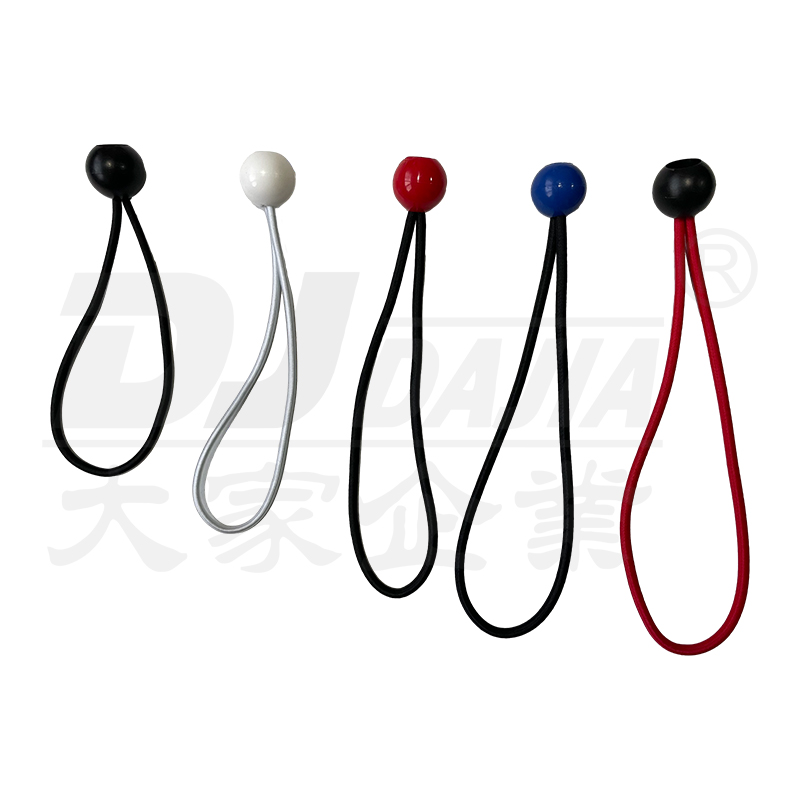
Tarpaulin bungee balls and traditional bungee cords serve the same fundamental purpose—securing tarps to various surfaces—but they accomplish this task through distinctly different mechanisms. Bungee balls feature a molded ball attached to an elastic cord, allowing for quick threading through grommets and self-securing action, while bungee cords rely on hooks at both ends that attach to anchor points. This fundamental design difference creates unique advantages and limitations for each system.
The choice between these two fastening methods depends on your specific application, the tarpaulin material, environmental conditions, and how frequently you need to adjust or remove the cover. Both options have evolved significantly over the past decade, with manufacturers introducing improved materials and designs that address traditional weaknesses.
How Bungee Balls Work on Tarpaulins
Bungee balls, also called ball bungees or tarp balls, operate through a simple yet effective mechanism. The elastic cord passes through the tarpaulin's grommet hole, and the ball—typically ranging from 25mm to 40mm in diameter—sits on the opposite side, preventing the cord from pulling back through. The cord's opposite end wraps around a frame, pole, or anchor point and loops back through itself, creating a self-tightening system.
Construction and Materials
Quality bungee balls typically consist of three components:
- UV-resistant polyurethane or rubber balls
- Natural rubber or EPDM elastic cords (6-10 inches standard length)
- Reinforced cord-to-ball connection points
Premium versions feature injection-molded construction where the cord is permanently embedded during manufacturing, creating a bond that can withstand tensile forces exceeding 50 pounds without separation.
Installation Advantages
Installing bungee balls requires minimal physical effort and can be accomplished single-handedly. The process takes approximately 30-45 seconds per attachment point compared to 60-90 seconds for traditional bungee cords with hooks. This time difference becomes significant when securing large tarps with 12-20 grommets.
Traditional Bungee Cord Characteristics
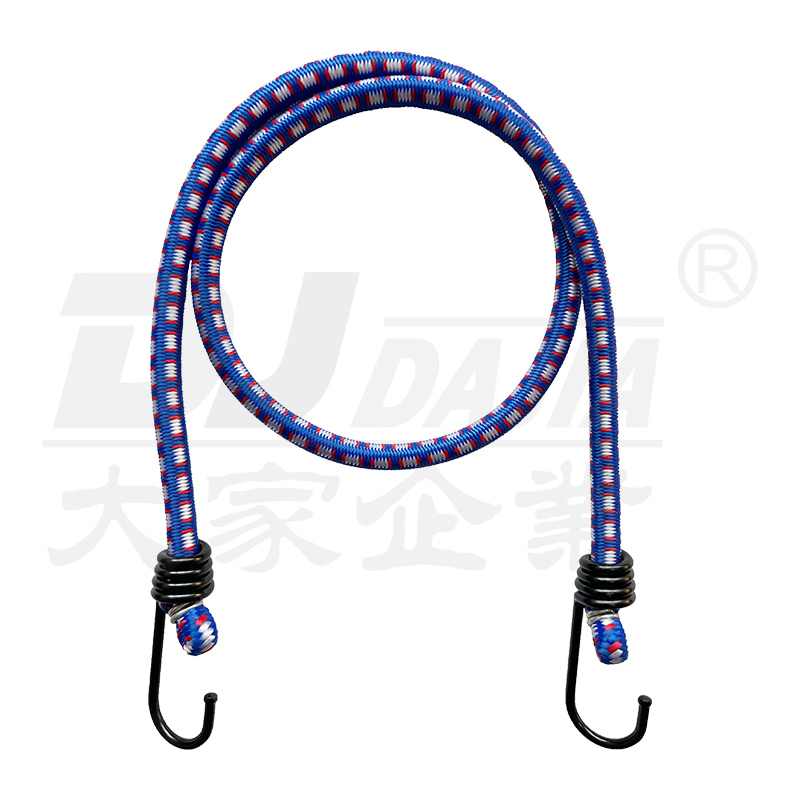
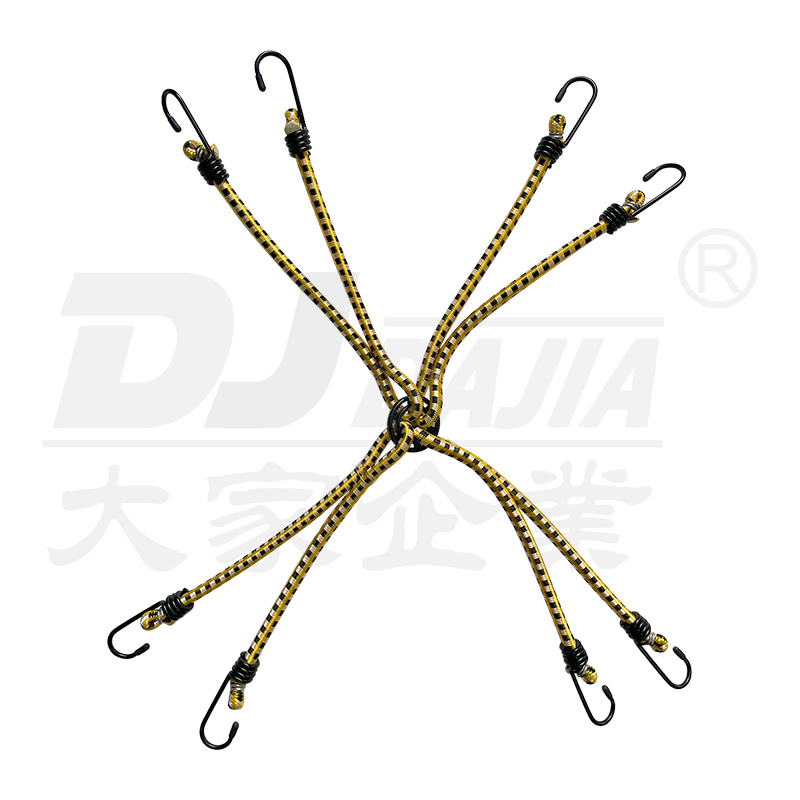
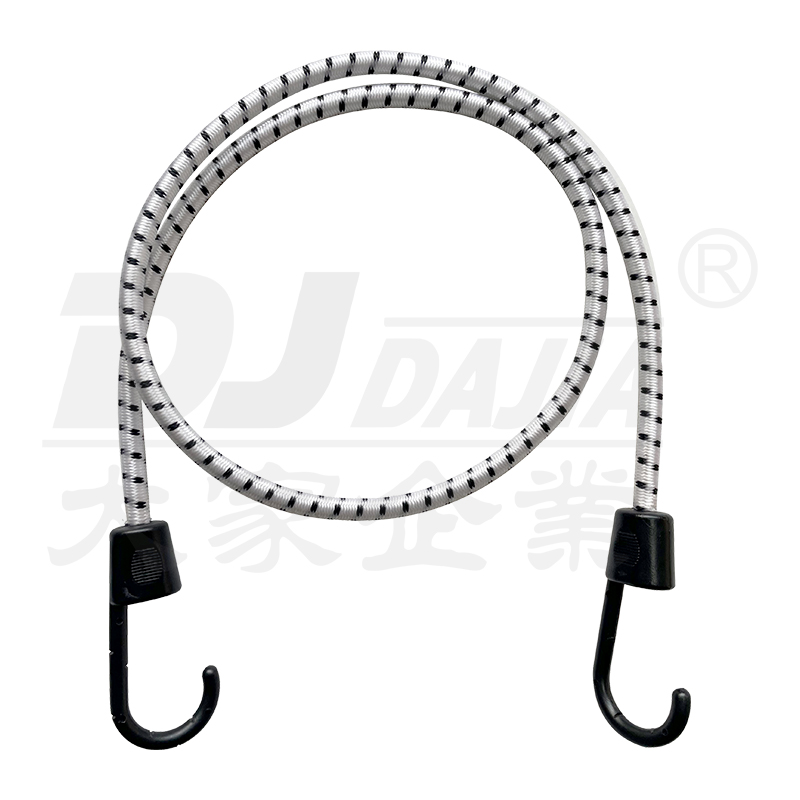
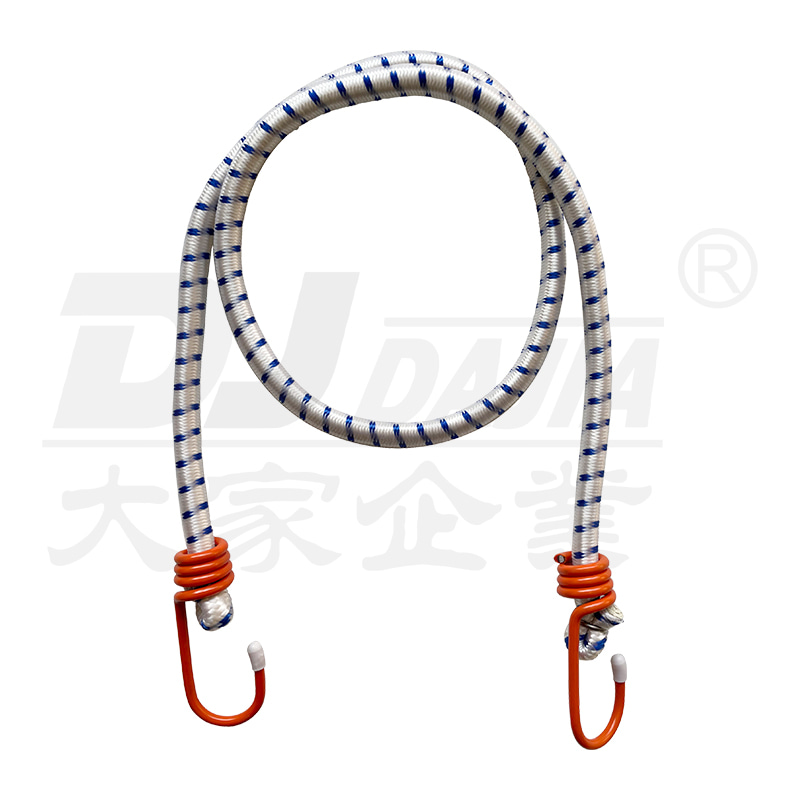
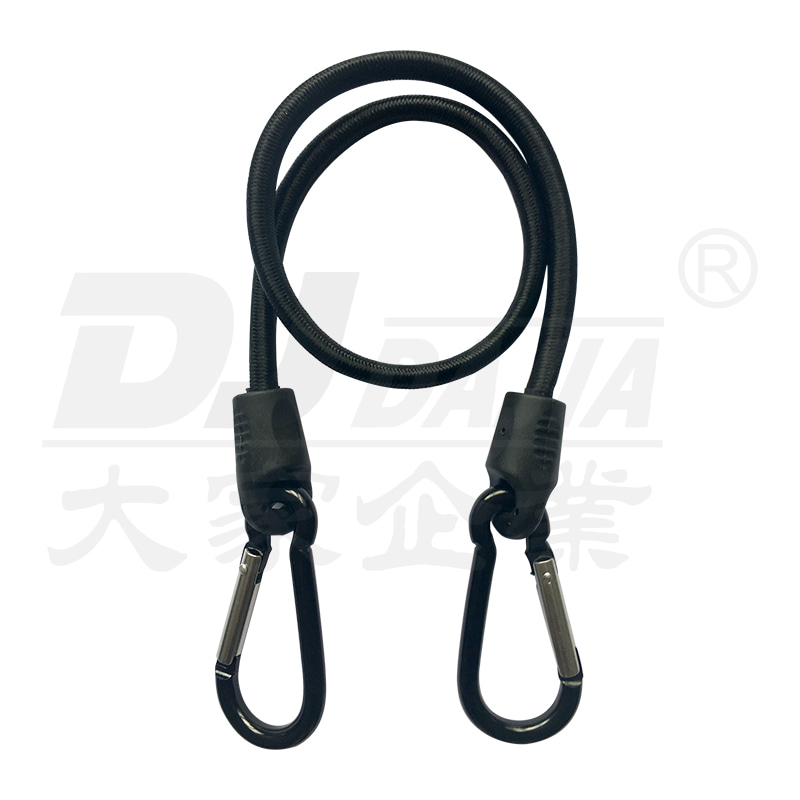
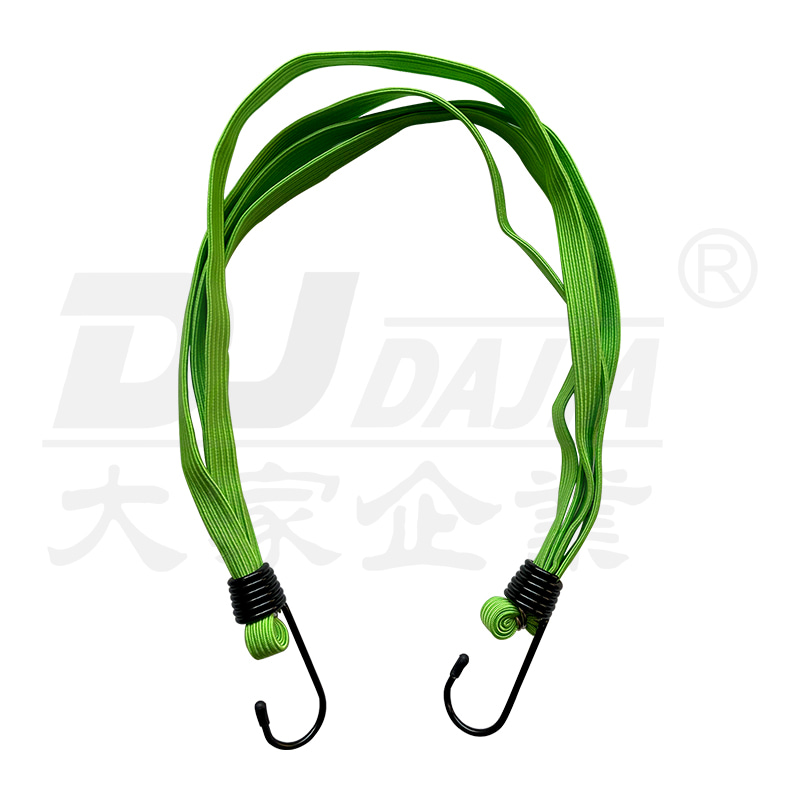
Standard bungee cords for tarpaulin applications consist of elastic rubber cores wrapped in woven fabric sheaths, with metal or plastic hooks crimped onto both ends. Available in lengths from 10 inches to 48 inches, they offer variable stretch ratios depending on cord diameter and construction quality.
| Cord Diameter | Maximum Stretch | Safe Working Load | Typical Application |
|---|---|---|---|
| 1/4 inch (6mm) | 100-150% | 15-20 lbs | Light tarps, covers |
| 3/8 inch (10mm) | 125-175% | 30-40 lbs | Medium tarps, truck beds |
| 1/2 inch (12mm) | 150-200% | 50-70 lbs | Heavy tarps, industrial use |
Hook Design Considerations
The hook system represents both the primary advantage and main weakness of traditional bungee cords. Metal hooks provide superior strength and can engage smaller anchor points, but they're prone to rust, can scratch surfaces, and pose safety risks if they slip during stretching. Plastic-coated hooks address corrosion and scratching concerns while maintaining adequate strength for tarps weighing up to 40 pounds when properly distributed across multiple attachment points.
Performance Comparison in Real-World Conditions
Field testing conducted across various environments reveals distinct performance patterns for each fastening method. Bungee balls demonstrate superior wind resistance in moderate conditions (15-25 mph sustained winds) because the ball-through-grommet design distributes stress evenly around the hole's circumference, reducing tearing at attachment points by approximately 40% compared to hook-based systems.
Weather Durability
Ultraviolet exposure affects both systems differently. Quality bungee balls manufactured from UV-stabilized materials maintain elasticity for 18-24 months of continuous outdoor exposure, while standard bungee cord sheaths begin showing degradation after 12-16 months. However, the internal rubber core of bungee cords often outlasts the fabric covering, allowing for continued use even after cosmetic deterioration.
Temperature extremes present challenges for both options. Below 20°F (-7°C), elastic materials lose flexibility, reducing effective stretch by 30-50%. Bungee balls' shorter cord length means less overall stretch capacity in cold conditions, potentially causing detachment if the tarp contracts significantly.
Longevity and Replacement Costs
Economic considerations over time favor different solutions depending on usage intensity:
- Bungee balls: Initial cost of $0.25-0.50 per unit, replacement every 18-30 months
- Bungee cords: Initial cost of $1.50-4.00 per cord, replacement every 12-24 months
- Heavy-duty bungee cords: Initial cost of $5.00-8.00, replacement every 24-36 months
For a typical 10x12 foot tarp requiring 12 attachment points, bungee balls cost approximately $6 initially versus $18-24 for quality bungee cords, though the cord system may provide slightly longer service life under ideal storage conditions.
Best Applications for Each System
When to Choose Bungee Balls
Bungee balls excel in scenarios requiring frequent attachment and removal. Their design makes them ideal for:
- Temporary weather protection where daily access is necessary
- Greenhouse and agricultural applications with thin-gauge frames
- Situations where metal hooks might damage painted or finished surfaces
- Tarps with reinforced grommets that can accommodate the ball diameter
- Applications requiring one-handed operation or minimal grip strength
A commercial nursery in Oregon reported reducing tarp management time by 60% after switching from bungee cords to ball bungees for their 200+ greenhouse covers, with workers able to secure covers during unexpected weather changes in under 3 minutes.
When to Choose Bungee Cords
Traditional bungee cords remain superior for applications demanding:
- Extended reach between tarp and anchor points (gaps exceeding 8 inches)
- Heavy-duty applications where maximum tension is required
- Securing loads to truck beds or trailers where hooks can grab tie-down rails
- Semi-permanent installations where frequent removal isn't necessary
- Situations where variable length adjustment provides significant benefits
Construction sites typically prefer bungee cords for equipment covers because the variable length accommodates irregular shapes and shifting loads, with the hooks providing secure attachment to scaffolding, machinery, and structural elements that lack convenient loop points for bungee balls.
Hybrid Approaches and Creative Solutions
Experienced users often combine both systems to maximize effectiveness. A practical approach involves using bungee balls for the majority of attachment points while employing strategically placed bungee cords at high-stress corners or areas requiring extra reach. This hybrid method typically uses 8-10 bungee balls at $0.40 each ($3.20-4.00) plus 4 quality bungee cords at $2.50 each ($10.00), totaling $13.20-14.00 for a comprehensive 12-point system.
DIY Modifications
Some users create custom solutions by:
- Attaching carabiners to bungee ball cords for added reach and hook functionality
- Cutting longer bungee cords and adding ball attachments for permanent custom lengths
- Installing D-rings or eye bolts to structures specifically designed for bungee ball attachment
- Using zip-tie loops through grommets as permanent anchor points for either system
Safety Considerations and Proper Usage
Both fastening systems pose specific safety risks that require awareness and proper handling techniques. Bungee cord-related injuries account for approximately 7,000 emergency room visits annually in the United States, primarily from hooks snapping back during installation or failure under tension.
Installation Safety Protocols
For bungee cords with hooks:
- Always wear safety glasses when stretching cords beyond 50% extension
- Inspect hooks for cracks, rust, or deformation before each use
- Never stretch cords beyond their rated maximum (typically 200% of resting length)
- Position your body to the side, never directly in line with potential hook trajectory
For bungee balls:
- Verify ball size matches grommet diameter (ball should be 2-3x larger than hole)
- Check cord-to-ball connection points for separation or tearing
- Avoid excessive stretching that could pull the ball through enlarged or damaged grommets
- Replace any units showing UV damage (chalking, cracking, or color fading)
Load Distribution Principles
Proper load distribution prevents premature failure and tarp damage. For a standard rectangular tarp, corner attachment points bear approximately 35% more stress than side midpoints during wind loading. This stress concentration necessitates using stronger fasteners at corners or doubling up attachment points in these critical areas.
Maintenance and Storage Best Practices
Extending the service life of both bungee balls and cords requires minimal but consistent maintenance. Storing fasteners in climate-controlled environments when not in use can double their effective lifespan, as constant exposure to temperature cycling and UV radiation degrades elastic materials even when not under tension.
Cleaning and Inspection
Before storage or seasonal transitions:
- Rinse fasteners with clean water to remove dirt, salt, and chemical residues
- Inspect for visible damage including cuts, abrasions, or deformed components
- Test elasticity by stretching to 100% extension and checking for immediate recovery
- Apply silicone spray to metal hooks to prevent corrosion during storage
- Store in sealed containers or bags away from petroleum products and solvents
Bungee balls should be stored loosely rather than stacked with weight on top, as prolonged compression can cause permanent deformation of the ball component. Bungee cords benefit from hanging storage that prevents kinking and maintains the fabric sheath's integrity.
Cost-Effectiveness Analysis for Different Users
The financial equation changes significantly based on usage patterns and scale. For homeowners securing one or two tarps seasonally, bungee balls offer superior value with 5-year total costs approximately 40% lower than quality bungee cords. However, commercial operations may find that premium bungee cords justify their higher initial cost through reduced labor time and better performance under demanding conditions.
| User Type | Recommended System | Initial Investment | Annual Replacement Cost |
|---|---|---|---|
| Occasional homeowner | Bungee balls | $5-8 | $2-4 |
| Frequent recreational user | Hybrid system | $15-20 | $6-10 |
| Commercial/agricultural | Heavy-duty bungee cords | $40-60 | $15-25 |
| Transportation/hauling | Bungee cords with ratchets | $50-80 | $20-30 |
Making the Right Choice for Your Needs
Selecting between tarpaulin bungee balls and bungee cords ultimately depends on evaluating your specific requirements against each system's strengths. Bungee balls provide unmatched convenience, lower cost, and gentler tarp treatment for applications involving frequent adjustments and standard grommet configurations. They work exceptionally well for residential users, gardeners, and anyone prioritizing ease of use over maximum holding power.
Traditional bungee cords remain the professional choice when maximum tension, variable reach, and heavy-duty performance are non-negotiable. Their versatility in attaching to diverse anchor points and ability to handle irregular shapes make them indispensable for commercial applications, transportation, and challenging weather conditions.
For many users, maintaining a supply of both options provides optimal flexibility. A basic kit containing 20 bungee balls and 6-8 assorted bungee cords costs approximately $25-35 and addresses virtually any tarpaulin securing challenge you might encounter. This dual-system approach allows you to choose the best tool for each specific attachment point rather than forcing a one-size-fits-all solution.
Consider starting with bungee balls for general use and adding bungee cords only when you encounter situations where balls prove inadequate. This graduated approach minimizes initial investment while ensuring you're never without an effective solution when weather protection is critical.