 EN
EN  Español
 get a free quote

Zinc plated steel hook uses at a glance
Zinc plated steel hooks are best for general-purpose hanging, organizing, and light-to-moderate fastening in dry or mildly humid indoor environments. They’re popular because the zinc coating helps resist rust, while the steel core provides dependable strength for everyday loads.
In practical terms, choose them for garages, workshops, retail displays, storage rooms, and home projects where you want a strong hook without paying for stainless steel. Avoid relying on them for critical overhead lifting or long-term outdoor exposure unless the product is specifically rated and engineered for it.
| Use case | Why zinc plated steel works | Typical examples |
|---|---|---|
| Organization | Coating helps reduce surface rust; steel resists bending | Hanging tools, cords, hoses |
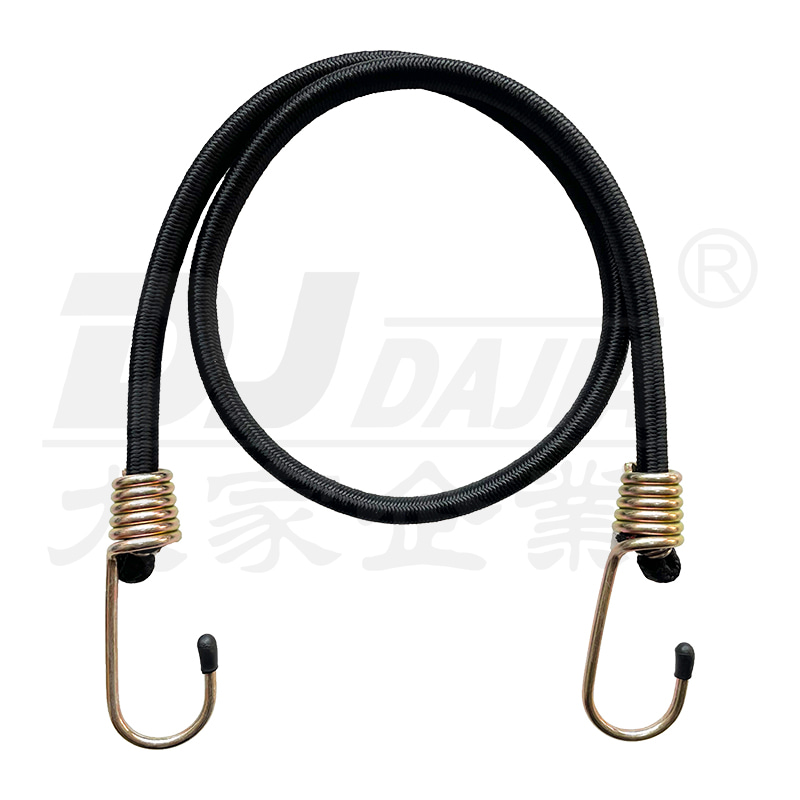
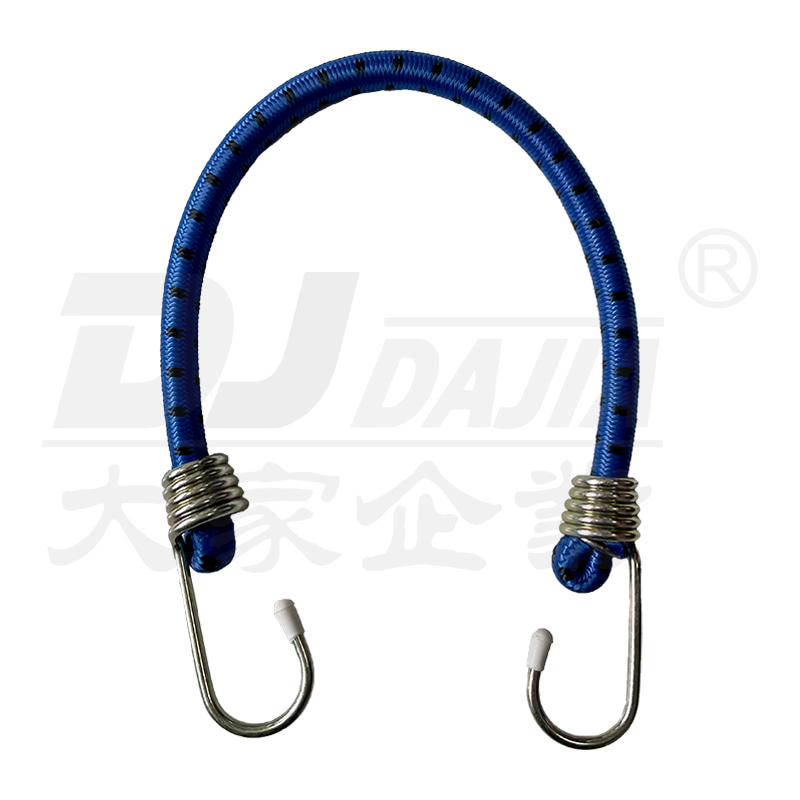
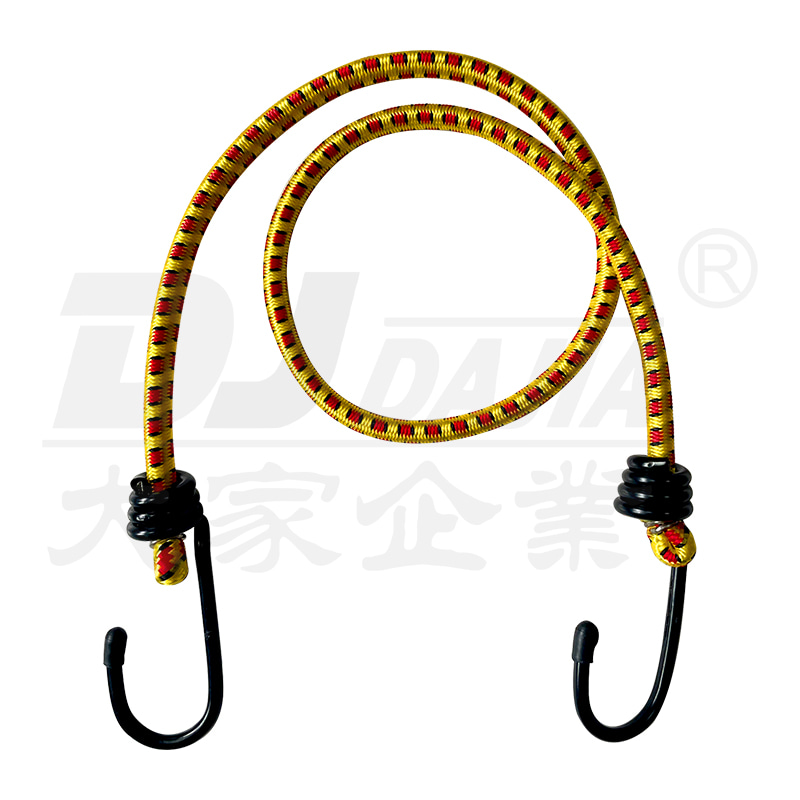
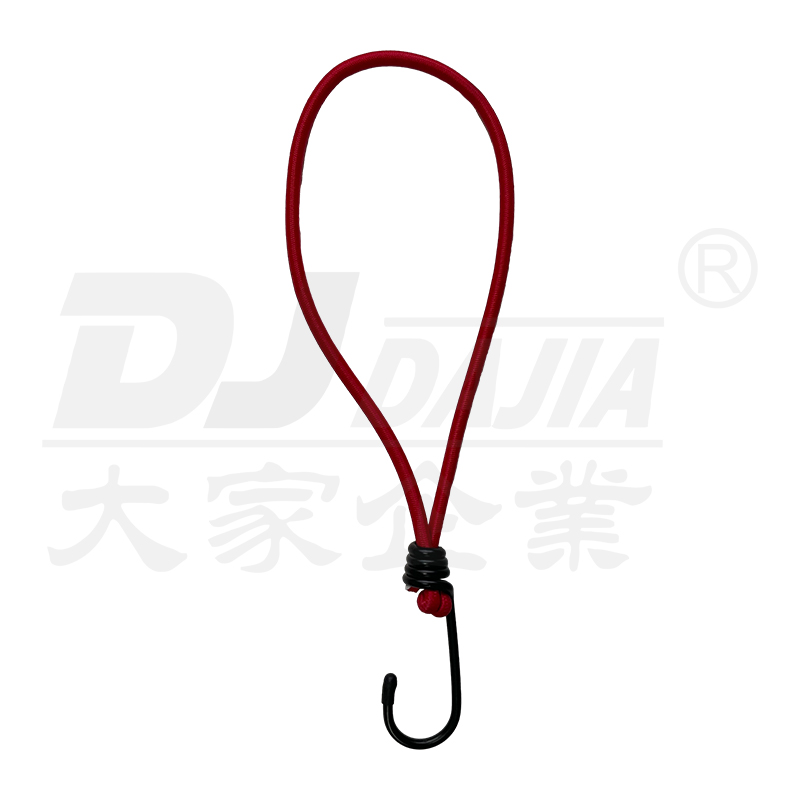
| Light fastening | Good strength-to-cost for non-critical loads | Bungee/strap anchor points, temporary holds |
| Displays & fixtures | Clean finish; abrasion resistant for repeated use | Retail peg hooks, hanging signs |
| Indoor utility | Works well away from saltwater/chemicals | Storage racks, ceiling hooks, wall hooks |
Where zinc plated steel hooks are most useful
The zinc layer is a sacrificial coating that slows corrosion on the steel underneath. That makes these hooks especially practical in spaces with occasional moisture (like a garage) but without constant wetting, salt spray, or aggressive chemicals.
Garage and workshop storage
- Hang shovels, rakes, and hand tools on pegboard or slatwall.
- Store extension cords and air hoses to reduce kinks and trip hazards.
- Suspend light shop accessories (gloves, goggles, tape measures) near the work area.
Home utility and organization
- Closets and pantries: hang baskets, small organizers, or reusable bags.
- Laundry rooms: hang drying racks, lint rollers, and cleaning tools.
- Basements: organize seasonal gear where mild humidity is common.
Retail and light commercial fixtures
- Peg hooks for packaged goods and accessories.
- Backroom storage for lightweight inventory (tape, straps, small parts).
- Hanging signs or light display elements where appearance matters.
Load guidance: how to use hooks without guessing
The safest approach is simple: only use the manufacturer’s rated working load limit (WLL) if one is provided. If there is no rating, treat the hook as “organizing hardware,” not a lifting or life-safety component.
Practical rules that prevent most failures
- Keep loads centered in the hook’s curve; off-axis pulling can open the throat.
- Avoid shock loading (dropping a load onto the hook), which can exceed capacity instantly.
- Use a safety latch or a closed-loop design if vibration or movement could unseat the load.
- Inspect regularly: discard hooks that are bent, cracked, or heavily rusted.
Example that makes the risk obvious
A 25 lb tool bag hanging quietly is one thing; the same bag swinging on a door or cart can create repeated dynamic loads. If the hook throat opens by even a few millimeters due to side loading, the bag can slip free. In high-traffic areas, that’s a safety hazard even at “low” weight.
Indoor vs. outdoor use: what zinc plating can and can’t do
Zinc plating slows rust, but it’s not a magic shield. In steady moisture, salt air, fertilizers, or cleaning chemicals, the coating can degrade and the steel underneath may corrode faster than you expect.
Best environments for zinc plated steel hooks
- Dry indoor rooms and climate-controlled spaces.
- Garages with occasional humidity but no direct weather exposure.
- Indoor storage where condensation is rare and brief.
When to choose a different material
- Outdoor exposure (rain/sprinklers): consider stainless steel or hot-dip galvanized hardware.
- Coastal or de-icing salt: stainless steel is usually the reliable choice.
- Chemical contact (fertilizer, pool chemicals): verify compatibility or switch materials.
Common hook types and what they’re used for
“Zinc plated steel hook” covers multiple shapes and mounting styles. Matching the type to the job improves safety and reduces premature bending or loosening.
| Hook type | Best use | Practical example |
|---|---|---|
| S-hook | Quick hanging between two points | Hang a bucket from a shelf rail |
| Cup hook (screw-in) | Ceiling/wall hanging in wood surfaces | Hang a light plant pot indoors |
| J-hook / utility hook | Open access to bulky items | Store ladders, hoses, cords |
| Eye hook / eye bolt with hook | Anchoring straps or hanging via carabiner | Tie-down point for storage bins |
| Snap hook (with gate) | Prevents accidental unhooking | Hang moving items on carts |
How to choose the right hook in 60 seconds
Selection is mostly about load, mounting, and environment. If you pick correctly, zinc plated steel hooks can last for years in typical indoor use.
Quick checklist
- Know the real weight: include the item plus any contents (e.g., a “light” tool bag can reach 20–40 lb).
- Pick a hook shape that supports the load without side pull (J for bulky, S for linking, gated for movement).
- Match the mount: wood screw-in for studs/joists, proper anchors for drywall/masonry, pegboard for light tools.
- Check the environment: indoors/dry is ideal; outdoors or coastal needs higher corrosion resistance.
- Look for a rating: if it must hold significant weight overhead, use hardware with a stated WLL and safety guidance.
A practical sizing example
If you plan to hang a coiled garden hose that weighs 15–25 lb when wet, a wider utility hook that supports the coil reduces pressure points and bending. A narrow hook concentrates force and is more likely to deform over time.
Installation tips that prevent loosening and rust
Most “hook failures” are actually mounting failures. Even a strong zinc plated steel hook won’t help if it’s installed in weak material or with the wrong anchor.
Best practices for wood
- Drive into studs/joists when possible for maximum holding power.
- Pre-drill a pilot hole to reduce splitting and make the hook seat fully.
- Keep threads fully embedded; partial engagement increases wobble.
Best practices for drywall and masonry
- Use anchors rated for the material and load; avoid “generic” anchors for heavier items.
- For concrete/brick, use appropriate plugs or masonry anchors and a correct-size drilled hole.
- In humid rooms, reduce moisture traps: don’t bury the hook base in caulk unless required.
If you see white powdery residue or flaking on the coating, that’s a sign the zinc layer is wearing down. At that point, replace the hook or upgrade the material before corrosion reaches the steel core.
Conclusion: the simplest safe use case
The most reliable zinc plated steel hook uses are straightforward: indoor hanging and organizing where loads are stable, centered, and appropriately mounted. Choose the right hook shape, install it into solid material (or a rated anchor), and avoid harsh outdoor or chemical environments unless the hardware is specifically designed for them.