 EN
EN  Español
 get a free quote

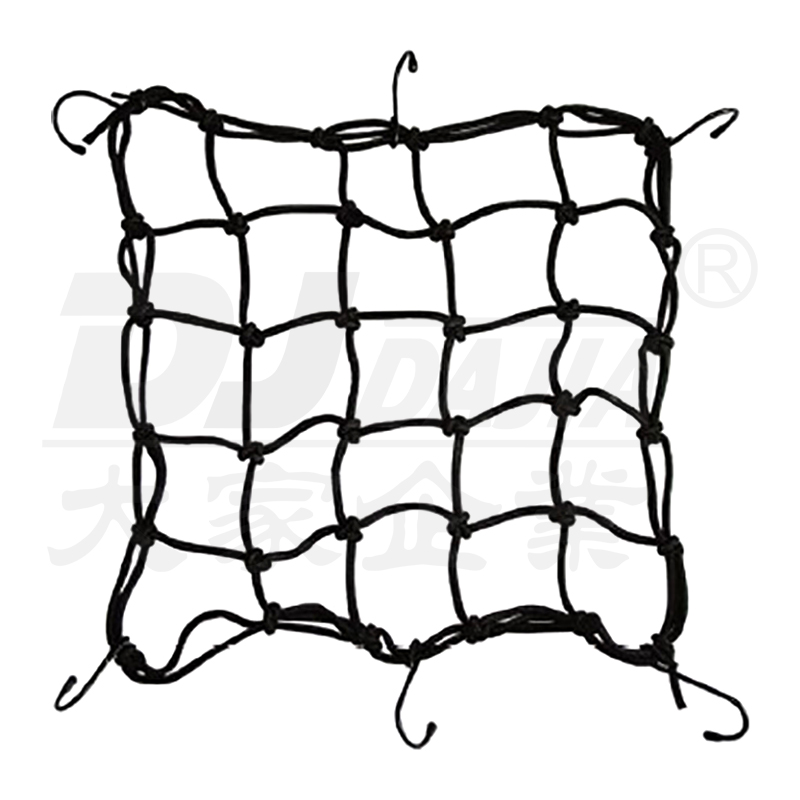
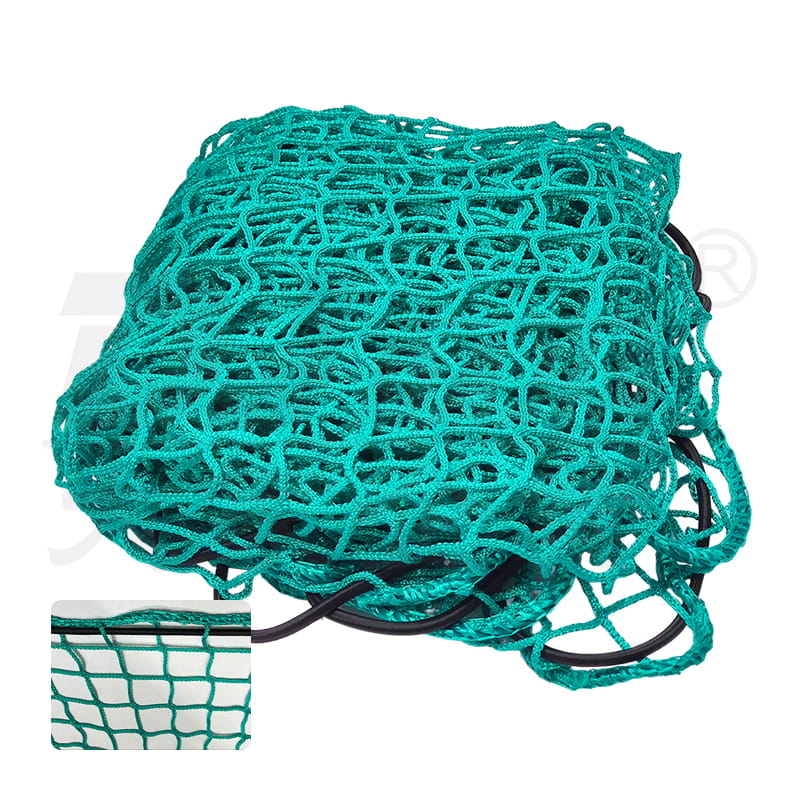
On most golf carts, the rear luggage rack becomes the first place that turns into a “catch-all” for jackets, towels, rangefinders, shoe bags, and small coolers. As a manufacturer, I see the same problem across fleets and personal carts: items slide, bounce, and end up hanging off the rack. A Golf Cart Elastic Cargo Net solves this by adding controlled tension and containment while keeping loading quick.
In this guide, I’ll share the practical details I recommend to buyers—how to size a net to your rack, what specifications matter (and why), and how to use it safely for day-to-day golf gear.
What a Golf Cart Elastic Cargo Net needs to handle on a real cart
A golf cart rack is a small platform exposed to vibration, quick stops, and sharp turns. Unlike a trunk, it has open sides, so the net’s job is not only “holding down” but also “keeping in.” In our production discussions with distributors and fleet customers, the performance criteria usually come down to three things: tension consistency, secure attachment, and mesh geometry.
Typical load range and why it matters
For golf-cart applications, many buyers target a working load that covers daily gear without overstretching. A practical reference you will see in the market is 15–25 lb (about 7–11 kg) as a typical capacity range for a well-designed elastic net on a cart rack. Staying in that band reduces two failure modes: rubber fatigue from overextension and hook deformation from shock loads.
- Light loads (towels, apparel, small bags) need a net with enough “snap” to stay tight without constant re-hooking.
- Medium loads (shoe bags, boxed items, small cooler) need stronger hooks and a mesh that prevents items from pushing through.
- Heavier or bulky loads increase dynamic forces; your net must resist sudden “whip” when the cart hits bumps.
Specifications that actually change performance (not just marketing)
When customers ask me why two nets that “look similar” behave differently, my answer is simple: elastic system performance is engineered through materials, cord diameter, mesh count, and hook design. If you want a dependable Golf Cart Elastic Cargo Net, these are the specs you should verify before ordering.
| Specification | Example value | What it affects on a cart rack |
|---|---|---|
| Cord / strand construction | Rubber + PP yarn | Elastic recovery, abrasion resistance, and washability |
| Cord diameter | 4mm | Tension strength and long-term fatigue resistance under vibration |
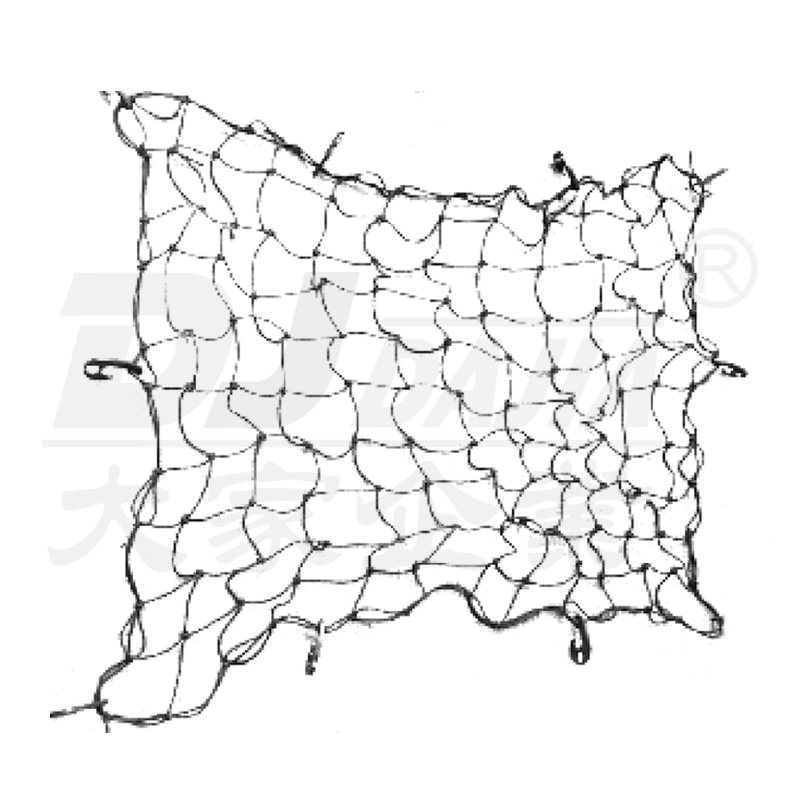
| Net size (nominal) | 50cm × 100cm | Coverage area and how much “wrap” you get over bulky gear |
| Mesh quantity / grid | 5 × 10 | Item retention (small items slipping through) and load distribution |
| Hook count and wire size | 6 pcs, 3.0mm steel hooks | Attachment stability and resistance to bending under shock loads |
| Packability | Approx. 200g (example) | Ease of storing in a side basket or bag between uses |
Hook design: the overlooked safety component
On a golf cart, hooks do more than “connect”—they transfer every bump load into the rack frame. That is why we often specify 3.0mm steel hooks for golf cart racks: they are sturdy and less likely to bend during repeated loading and unloading. If you need a concrete reference for these specs, you can review our golf cart elastic cargo net product page, which lists material, hook count, and mesh configuration.
How I recommend sizing a Golf Cart Elastic Cargo Net for your luggage rack
Sizing errors cause most “this net doesn’t work” complaints. In manufacturing, we see two common mistakes: ordering a net that is too small (forcing overstretch) or too large (creating loose pockets). The goal is controlled stretch—tight enough to stabilize items, but not so tight that you fight the hooks every time.
Measure first, then choose a net with planned stretch
- Measure your rack’s usable area: width (left-to-right) and length/depth (front-to-back) where hooks can safely attach.
- Identify anchor points: count how many stable points exist (typical carts support 4–8 points depending on rack design).
- Plan for 10–30% stretch during normal use. This range generally keeps tension consistent without overstressing rubber strands.
- Confirm mesh size: if you carry small items (gloves, bottles), choose a tighter mesh or add a small pouch—do not rely on a wide mesh to “hold everything.”
As an example, a net built as 4mm × 50cm × 100cm with a 5 × 10 mesh often works well for racks that need more front-to-back coverage, especially when you want the net to wrap over taller items. For compact racks, that same net may effectively sit closer to a square footprint after hooking and tensioning—what matters is the installed tension and coverage, not the un-stretched shape.
Installation and safety checks I insist on for fleet and retail customers
A well-made net can still be unsafe if it is installed poorly. In our factory QA reviews, we evaluate not only tensile performance but also user behavior—because hooks can snap back if misused. These checks help reduce incidents and extend product life.
Best-practice hook placement
- Use all available hooks (for example, 6 hooks) to distribute force rather than overloading two_toggle points.
- Hook to rigid rack tubes or welded loops, not to thin plastic trim that can crack.
- Avoid sharp edges and burrs on the rack; these cut outer yarn and accelerate rubber failure.
- Keep hook openings facing inward where possible to reduce the chance of snagging clothing or straps.
Load stability checklist (30 seconds before driving)
- Place the heaviest item centered over the rack supports; do not let it hang off the rear edge.
- Confirm the net is not riding on a single strand; it should contact the load in multiple locations for friction and containment.
- If you feel the net “bottoming out” (fully stretched), reduce load or move to a larger net; do not keep driving at max extension.
- Keep within a sensible working load—many golf cart net designs target 15–25 lb for consistent safety margins under vibration.
Durability and maintenance: how to make an elastic net last longer
Elastic systems fail gradually: rubber loses rebound, outer yarn abrades, and hooks corrode or deform. The good news is that simple handling habits can extend service life noticeably, especially for fleet operators who want predictable replacement cycles.
Cleaning and storage (practical, not theoretical)
- If your net uses durable outer yarn (such as PP yarn) and rubber strands, light washing is typically acceptable; rinse dirt and dry fully before storage to reduce odor and corrosion on hooks.
- Store out of direct sun when possible. UV and heat accelerate rubber aging more than normal stretching does.
- Keep the net relaxed in storage (not stretched on the cart 24/7) if the cart sits unused for long periods.
When to replace
In our experience, you should replace an elastic net when any of the following show up: visible cracking of rubber strands, permanent slack (loss of recovery), or hook bending. A simple rule is: if the net no longer returns to a firm installed tension without over-stretching, it is no longer providing predictable containment—and that is a safety issue, not just a convenience issue.
Choosing a supplier: what I would ask if I were buying for a fleet or a retail program
If you are sourcing a Golf Cart Elastic Cargo Net for resale, fleet maintenance, or OEM accessory programs, you want consistency across batches. Here are the questions I recommend asking any factory (including us) because they directly affect what your end users experience.
- What is the exact material construction (for example, rubber + PP yarn) and does it remain consistent across lots?
- How many hooks are included (for example, 6 pcs) and what wire diameter is used (for example, 3.0mm steel)?
- What is the nominal size and mesh configuration (for example, 4mm × 50cm × 100cm and 5 × 10)?
- What is the recommended working load guidance, and is it based on testing or field feedback?
- What customization is available (labels, packaging, hook style/coating, net size) without compromising lead time stability?
If you want to review additional configurations beyond a single golf-cart SKU, you can browse our elastic cargo nets category page. For customers who also secure equipment on course utility trailers or maintenance trailers, our trailer elastic cargo nets page may be a better fit for larger platforms.