 EN
EN  Español
 get a free quote

Best Choice in One Sentence
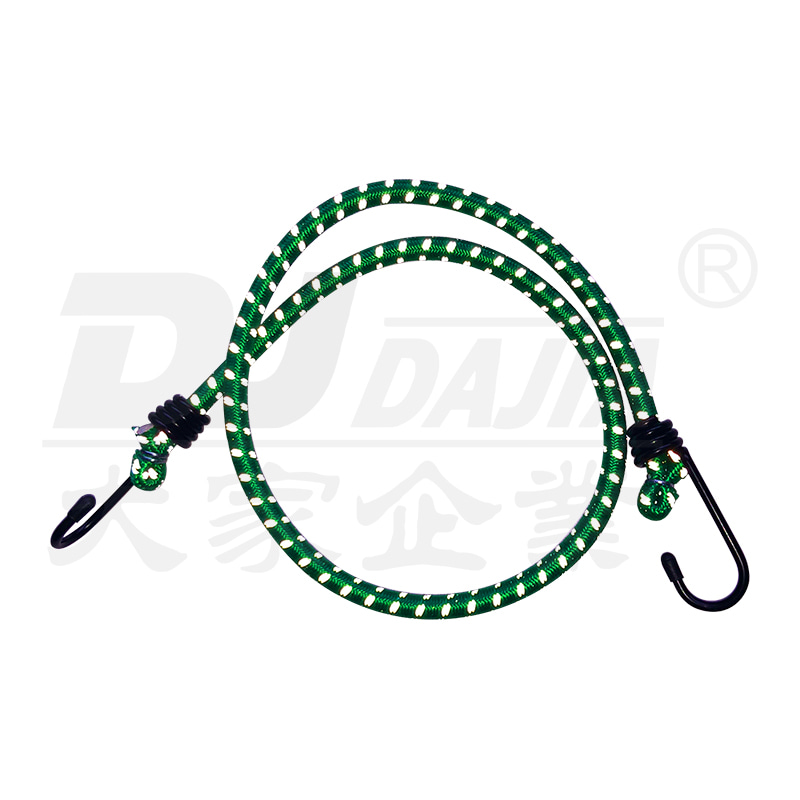
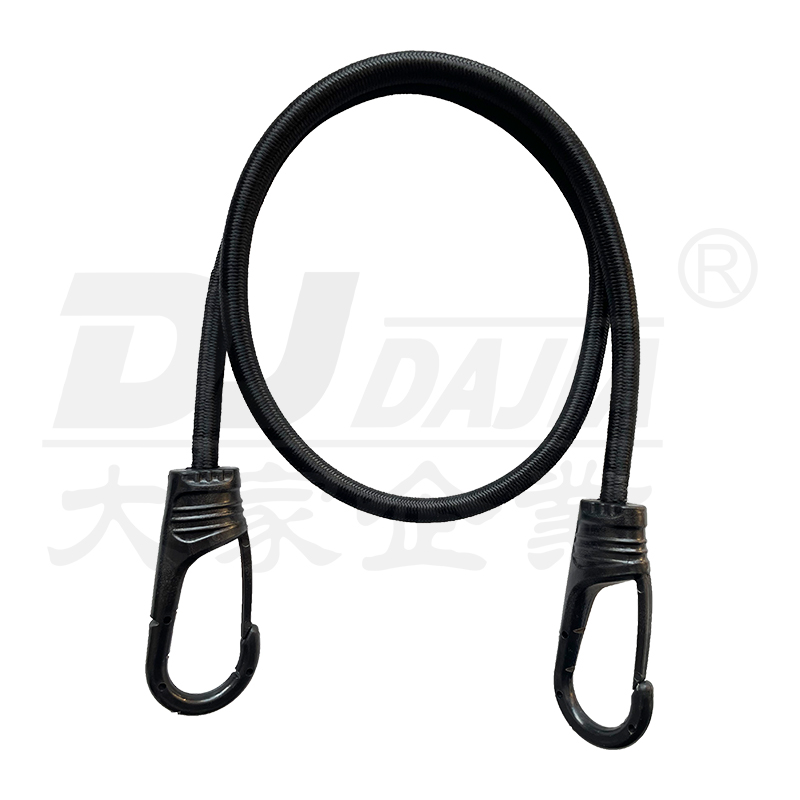
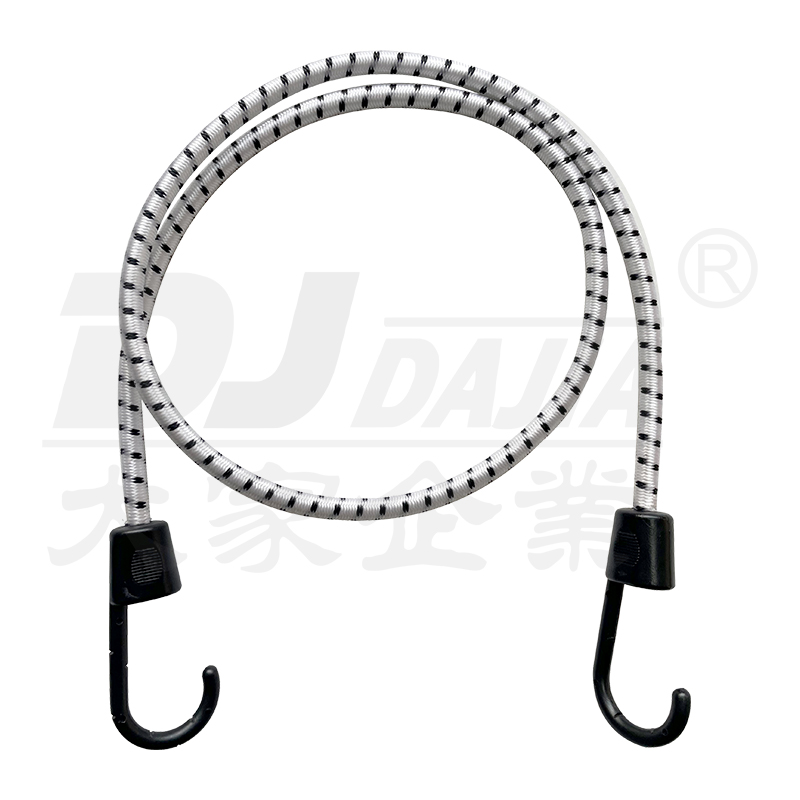
Choose plastic adjustable clip round bungee cords when you need fast, tool-free length control and reliable tension for bundling, securing light-to-medium loads, or organizing gear without tying knots.
In most everyday scenarios (camping, tarps, storage bins, garage organization), a 6mm–8mm round cord with a sliding plastic clip gives enough grip and adjustability while staying easy on paint, fabric, and delicate surfaces.
What “Plastic Adjustable Clip” Actually Changes
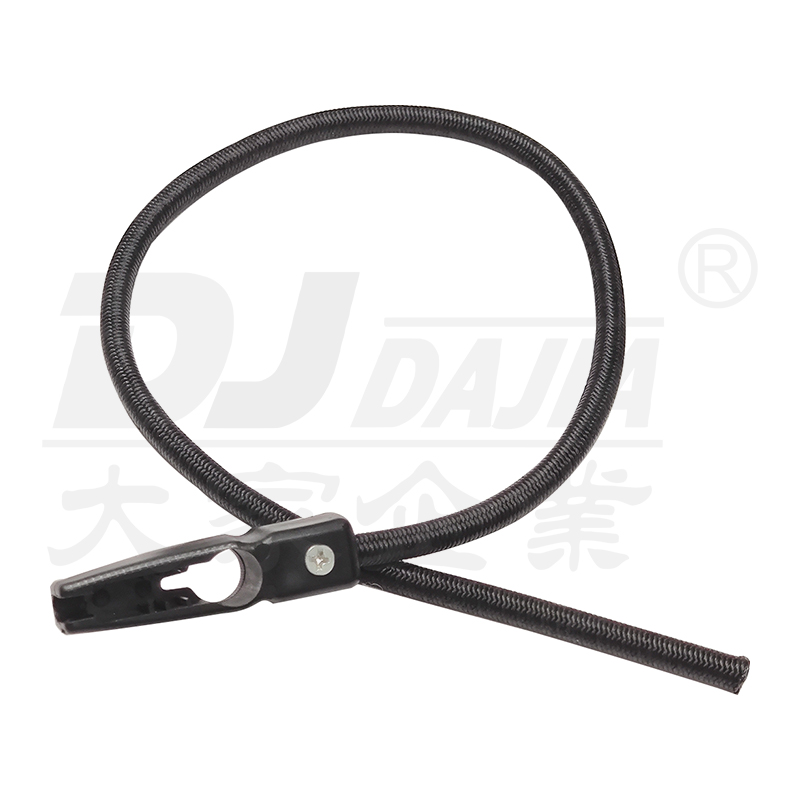
A plastic adjustable clip lets you shorten or lengthen a round bungee by sliding and locking the cord at a chosen point. That means you can set tension precisely, then re-tighten in seconds if the load shifts.
Why it’s practical
- No knot learning curve: adjust by sliding the clip and hooking.
- Cleaner tension control: reduce slack without re-wrapping multiple times.
- Less surface marring: plastic hardware is typically gentler than bare metal contact points.
- Repeatable setups: you can mark the cord position for a “known good” length.
How to Pick the Right Round Bungee Cord (Size + Load)
The two biggest variables are diameter (how much tension and durability you get) and usable length (how far it can stretch while keeping control). For quick selection, use the table below as a practical starting point.
| Cord Diameter | Best For | Typical Practical Load Use | Notes |
|---|---|---|---|
| 4mm–5mm | Light bundling, cable management, small tarps | Low-tension holds (e.g., keeping items from shifting) | Best when you want minimal bulk and gentle tension |
| 6mm | Camping gear, tote lids, moderate bundling | Everyday “workhorse” tension | Balanced stretch and control with adjustable clip |
| 8mm | Tarps, light cargo restraint, outdoor covers | Medium holds (e.g., keeping a cover tight in wind) | Choose when stretch needs more resistance |
| 10mm+ | Heavy-duty applications (use caution) | Higher tension scenarios | Consider reinforced hardware; inspect frequently |
A simple sizing rule that prevents over-stretch
For better control and longer life, target a setup where the cord is stretched about 20%–50% in normal use rather than “maxing it out.” If your cord is always near its limit, step up in length or diameter.
Clip Design Checklist (What to Inspect Before Buying)
Plastic clips vary widely. A good clip holds under vibration and doesn’t chew through the sheath of the round bungee cord.
- Locking bite without crushing: the clip should grip firmly but not flatten the cord to the point of fraying.
- Wide contact path: wider internal channels reduce pressure points and cord wear.
- Glove-friendly actuation: you should be able to slide/lock it with cold or wet hands.
- Hook interface alignment: the clip should keep the hook stable so it doesn’t twist under load.
- Outdoor durability: if used outside, prioritize UV-resistant plastic and corrosion-resistant hooks.
How to Use Plastic Adjustable Clip Round Bungee Cords Correctly
The goal is controlled tension: tight enough to prevent movement, not so tight that the clip creeps or the cord snaps back dangerously.
Step-by-step setup
- Anchor one end to a fixed point (rack, grommet, tie-down loop).
- Route the round bungee cord over/around the item you’re securing.
- Hook the other end, leaving slight slack.
- Slide the plastic adjustable clip to remove slack until the load is stable.
- Test with a firm shake: if it shifts, tighten in small increments.
Two quick examples
- Tarp corners: set equal clip positions on each cord so the tarp tension is balanced and less likely to tear at one grommet.
- Storage bin lids: use moderate stretch and place the clip on the side, so opening/closing is a simple unhook rather than re-tying.
Safety and Longevity Tips (Prevent Snapback and Fraying)
Round bungee cords store energy. A small habit change makes them dramatically safer: keep your face and hands out of the rebound path, and release tension slowly.
- Inspect before each use: replace cords with cracked sheathing, exposed strands, or deformed clips.
- Avoid sharp edges: add a sleeve or route around a smooth surface to prevent cut-through.
- Don’t exceed your control point: if the clip creeps under vibration, reduce tension or use two cords.
- Store out of sun/heat: UV and heat accelerate elastic fatigue and make plastic brittle.
- Use redundancy for valuable loads: two moderate-tension cords are safer than one high-tension cord.
Common Buying Mistakes and Quick Fixes
Mistake: choosing length based on “unstretched” only
Unstretched length can be misleading. If you must stretch far to reach your anchor points, the cord will be harder to control and the plastic adjustable clip may slip. Fix it by choosing the next length up, then use the clip to remove slack.
Mistake: relying on one cord for awkward shapes
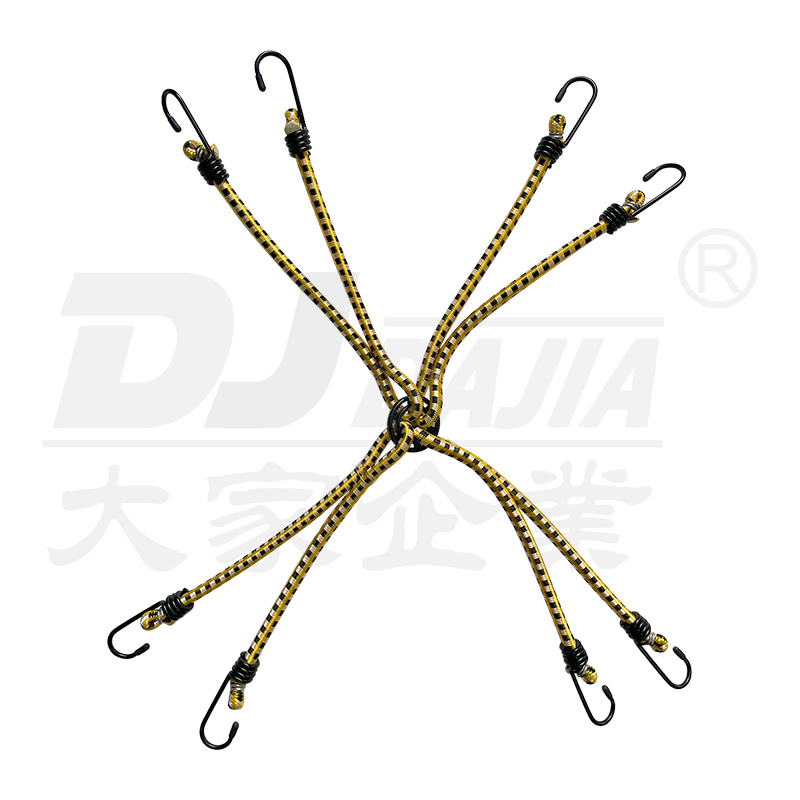
Irregular items shift. Use two plastic adjustable clip round bungee cords in a crossing pattern (an “X”) to stabilize side-to-side movement with lower tension per cord.
Mistake: letting the clip sit on a sharp bend
If the clip is positioned right at a corner, vibration concentrates wear. Slide the clip a few inches away from edges so the cord bends smoothly.
Conclusion
Plastic adjustable clip round bungee cords are the practical pick for quick, repeatable tensioning: select the right diameter, avoid over-stretch, and prioritize a clip that grips without damaging the cord. With basic inspection and smart routing, they deliver fast, reliable securing for daily organization, outdoor covers, and light cargo control.