 EN
EN  Español
 get a free quote

Best way to use a carabiner hook with a round bungee cord
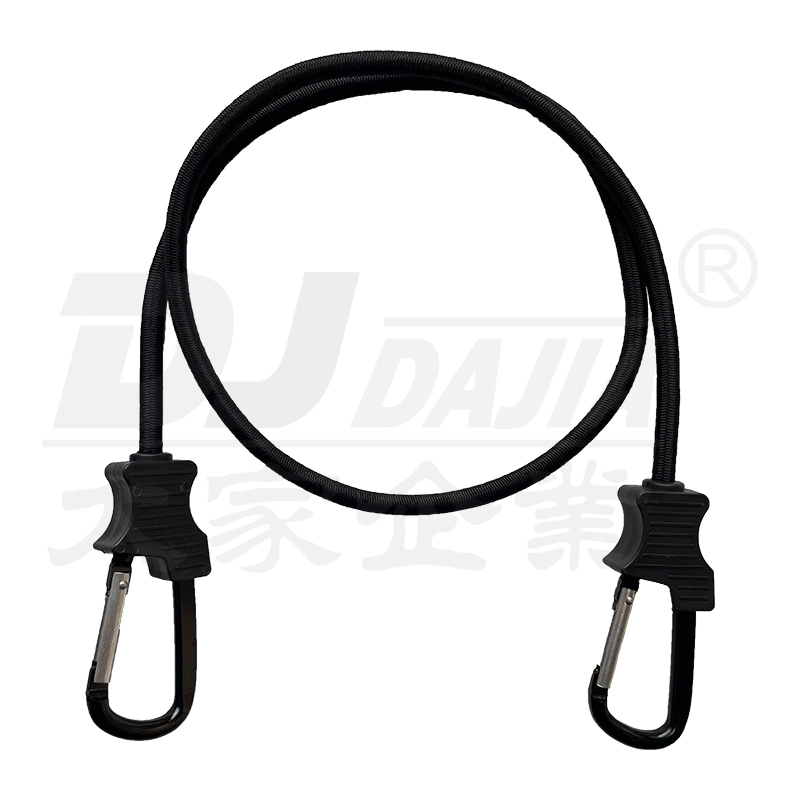
The most reliable setup is a spring-gate carabiner clipped to a fixed anchor point, paired with a round bungee cord that is stretched only as much as needed and secured with a knot or end fitting that cannot slip. This approach is fast, adjustable, and reduces accidental unhooking compared with open metal hooks.
- Use a carabiner sized so the gate closes freely even with gloves on.
- Choose a round bungee cord diameter that won’t pinch in the gate or abrade at the anchor edge.
- Keep stretch moderate so tension stays controlled and snap-back risk stays low.
- Treat bungee systems as tie-down helpers, not lifting, climbing, or overhead safety gear.
If you take only one rule: match the hardware rating and geometry to the job, then minimize stretch. Most failures come from undersized clips, sharp anchor edges, or over-stretching the cord.
Choosing the right carabiner hook for bungee use
Material and corrosion resistance
For a carabiner hook round bungee cord setup, material affects durability and where you can use it:
- Stainless steel: best for saltwater, marine storage, wet tarps, and long-term outdoor exposure.
- Plated or galvanized steel: strong and economical, but can rust after scratches or prolonged moisture.
- Aluminum: lightweight and corrosion-resistant; often ideal for camping and vehicle organization, but confirm the listed working load before heavy tie-down use.
Gate style and accidental release
Bungee cords vibrate and “walk” during driving, wind, and repeated movement. Gate choice matters more than many people expect.
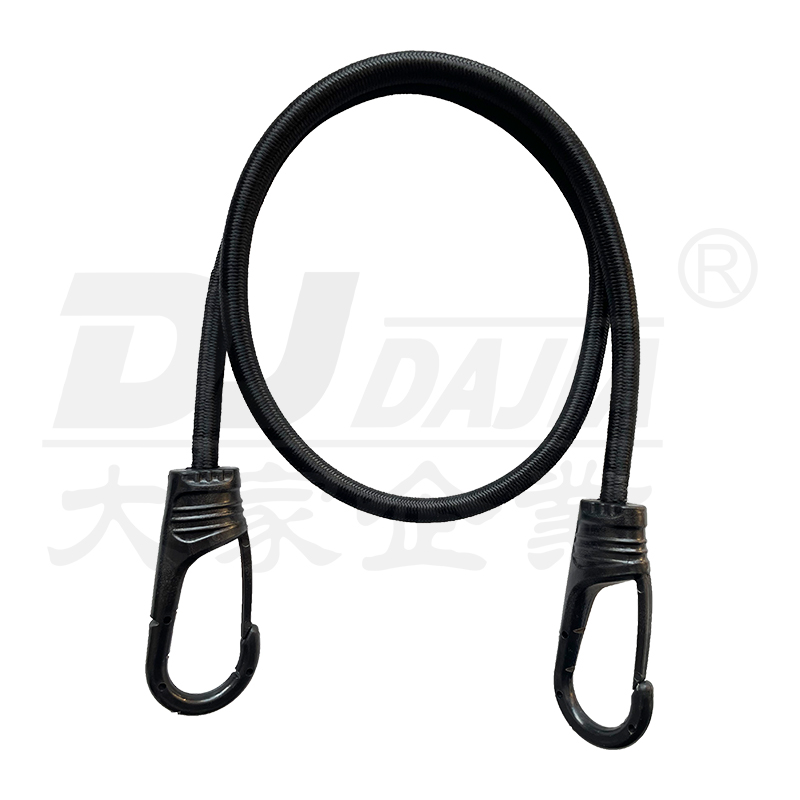
- Spring-gate: the default for quick clipping and unclipping; select a gate that closes decisively.
- Locking gate (screw or auto-lock): useful when vibration is high (trailers, roof racks) or when you must prevent snag-based opening.
- Wire gate: lighter and resists freezing; can be excellent for outdoor use, but ensure the cord won’t press the wire sideways and “nose open” the gate.
Working load: a practical rule of thumb
Carabiners are commonly labeled with a working load limit (WLL) or a maximum load/strength rating. For bungee tie-downs, a conservative selection rule is:
Choose a carabiner with a rated WLL at least 3× the maximum expected sustained load. This accounts for dynamic spikes (bumps, wind gusts) and uneven sharing across multiple cords.
Example: If a tarp corner is expected to see about 20 lb of sustained pull in wind, select a carabiner rated to 60 lb or more for that point, and avoid sharp anchors that can cut the bungee sheath.
Selecting a round bungee cord that fits and lasts
Diameter and control
Round bungee cord is commonly chosen for its flexibility, compact storage, and ease of tying. Diameter affects handling and longevity more than total length.
- 6–8 mm: light-to-medium duty (tarps, coolers, camp bins, garage storage).
- 10 mm: more stable tension and better abrasion tolerance (roof baskets, kayak tie-ins, heavier bundles).
- 12 mm and above: typically for frequent heavy use; confirm anchor and carabiner ratings and ensure the cord seats cleanly without forcing the gate open.
Stretch and lifespan
Most round bungee cords can elongate significantly, but maximum stretch is not the same as best practice. For control and longer service life:
Target moderate stretch (roughly 25–50% elongation) for repeated use. Higher stretch can work in a pinch, but it increases snap-back risk and accelerates sheath wear.
Example: A 24 in cord used at about 36 in is a 50% stretch. If you must pull it to 48 in (100% stretch), consider moving the anchor, using a longer cord, or adding a second cord to share the tension.
Sheath and UV exposure
Look for a tight, abrasion-resistant outer sheath if the cord will contact metal rails, roof racks, or hooks. UV and heat degrade elasticity; cords used outdoors year-round typically need replacement sooner than those stored indoors.
Sizing: making sure the carabiner and cord work together
Fit problems usually show up as gate interference (cord pushes the gate open) or abrasion (cord rubs a sharp edge). Use these practical checks before committing to a bulk purchase.
| What to check | Why it matters | Quick test | Pass criteria |
|---|---|---|---|
| Gate clearance | Prevents “nose open” and accidental unclipping | Clip cord in and shake/vibrate | Gate closes fully with no rubbing |
| Bend radius at anchor | Reduces sheath cutting and core damage | Route cord over the anchor edge | No sharp edge; cord doesn’t flatten |
| Carabiner size | Improves handling, especially outdoors | Operate with gloves or cold hands | One-handed open/close |
| Cord seating point | Avoids slippage and uneven wear | Load the system and inspect contact | Cord sits in smooth curve |
A simple sizing heuristic
Pick the cord first, then choose a carabiner that comfortably accepts the cord without pressing on the gate. In practice, you want slack space around the cord so it can shift under vibration without levering the gate.
How to attach a round bungee cord to a carabiner
You can build a clean, dependable connection with either a knot or a hardware end fitting. The best choice depends on whether you need adjustability and whether the cord will be frequently tensioned.
Method A: Knot-based loop (fast and adjustable)
A fixed loop gives the carabiner a consistent attachment point and keeps the cord from sliding around the gate.
- Form a loop sized to sit in the carabiner basket, not on the gate tip.
- Tie a secure stopper-style knot appropriate for elastic cord; tighten evenly so the sheath isn’t torn.
- Load-test by pulling gradually to working tension and checking for slip.
- Trim and seal ends (as appropriate for the sheath material) to reduce fray.
Tip: If the knot repeatedly migrates under load, increase loop length slightly or switch to an end fitting so the cord doesn’t compress against the gate.
Method B: Crimped end fitting (best for repeatable tension)
For frequent use—like daily cargo management—an end fitting can be more consistent than a knot. It also reduces bulk and may improve how the cord seats in the carabiner.
- Use fittings sized specifically for your round bungee cord diameter.
- Avoid sharp-edged crimps that can cut the sheath when flexed.
- Inspect crimps periodically; looseness indicates impending failure.
Practical setups and real-world examples
Tarp corners in wind
A carabiner hook round bungee cord setup works well for tarps because the elastic absorbs gusts without tearing grommets. Use one carabiner per corner and keep the stretch moderate. If the tarp flaps, add an additional tie point rather than stretching one cord harder.
Roof rack and cargo basket organization
For highway vibration, consider a locking carabiner or position the gate so it faces away from contact surfaces. A practical approach is two parallel bungees over a load rather than one heavily stretched cord; the load shares across cords, lowering peak tension in each.
Garage and workshop storage
Round bungee cords with carabiner hooks are effective for hanging light items like extension cords, camp chairs, and tarps. In this use, abrasion is the main issue—keep cords off sharp shelf brackets and replace any cord with exposed rubber strands.
Safety rules that prevent snap-back and damage
Bungee cords store energy. Most injuries happen when a hook slips, a knot fails, or the cord is pulled past a controllable tension point.
Use controlled tension
- Do not over-stretch; if you need “all your strength,” the cord is too short or the anchor is wrong.
- Stand to the side when tensioning, not in the recoil path.
- Prefer carabiners over open hooks when vibration or shifting loads are expected.
Avoid unsafe applications
Do not use a carabiner hook round bungee cord system for:
- Climbing, lifting, or rescue (elastic cords are not rated for life safety).
- Overhead suspension where failure could injure bystanders.
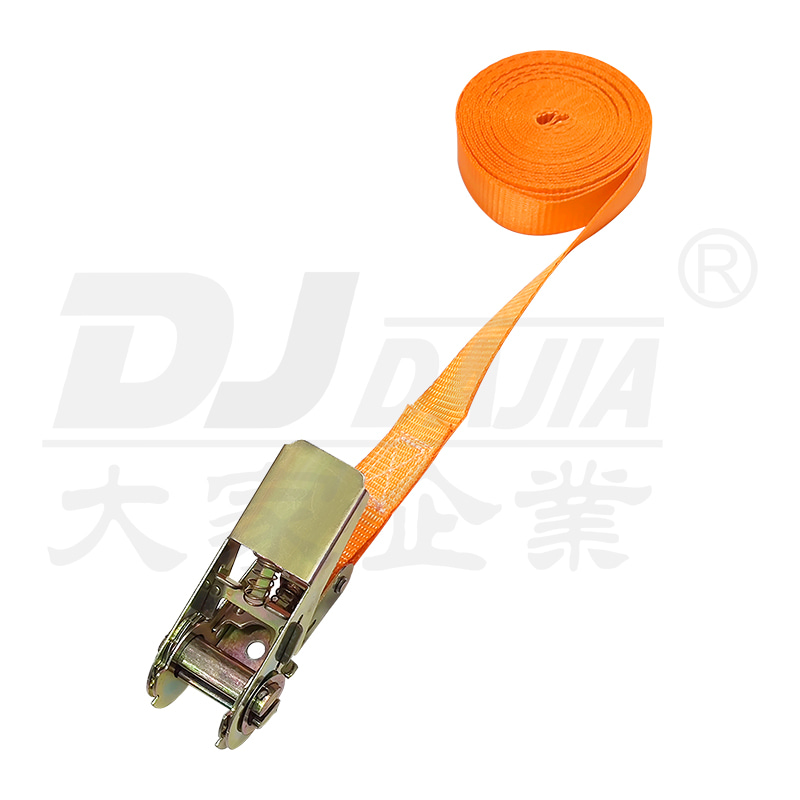
- Securing loads that must not shift at all (use ratchet straps or cam straps instead).
Anchor edge management
If the anchor point has a sharp edge, the bungee sheath can cut quickly—sometimes in a single trip. Add a smooth intermediate point (a ring, rounded rail, or protective sleeve) so the cord bends gradually rather than creasing.
Inspection and replacement checklist
A bungee cord may look “fine” until it suddenly fails. A quick inspection before each use prevents most surprises.
Replace the round bungee cord if you see
- Frayed sheath exposing inner rubber strands.
- Flat spots, hardening, or loss of elasticity (cord no longer retracts promptly).
- Cuts or melted areas from heat, exhaust proximity, or abrasion.
Replace the carabiner if you see
- Gate doesn’t snap shut consistently or binds when opened.
- Cracks, deep grooves, or deformation in the basket where the cord seats.
- Rust that interferes with smooth gate movement.
Store cords out of direct sun and away from chemicals and oils. Keeping a dedicated bag for your carabiner hook round bungee cord kit prevents accidental nicks from tools and sharp hardware.
Bottom line
A well-sized carabiner hook and round bungee cord combination is one of the fastest, most adjustable ways to secure light-to-medium loads and tarps. Prioritize a carabiner that stays closed under vibration, a cord diameter that resists abrasion, and moderate stretch for control.
If you need zero movement or high security, step up to purpose-built tie-down systems (cam or ratchet straps). For everything else, a properly matched carabiner hook round bungee cord setup is efficient, tidy, and dependable when used with the safety rules above.