 EN
EN  Español
 get a free quote

What a Steel Hook for Bungee Cords Actually Does
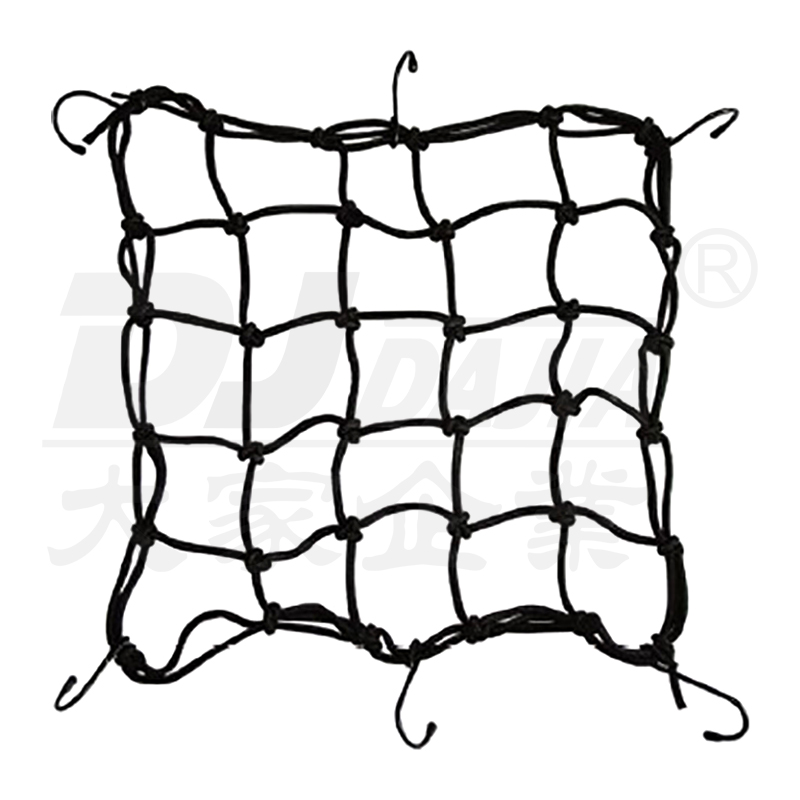
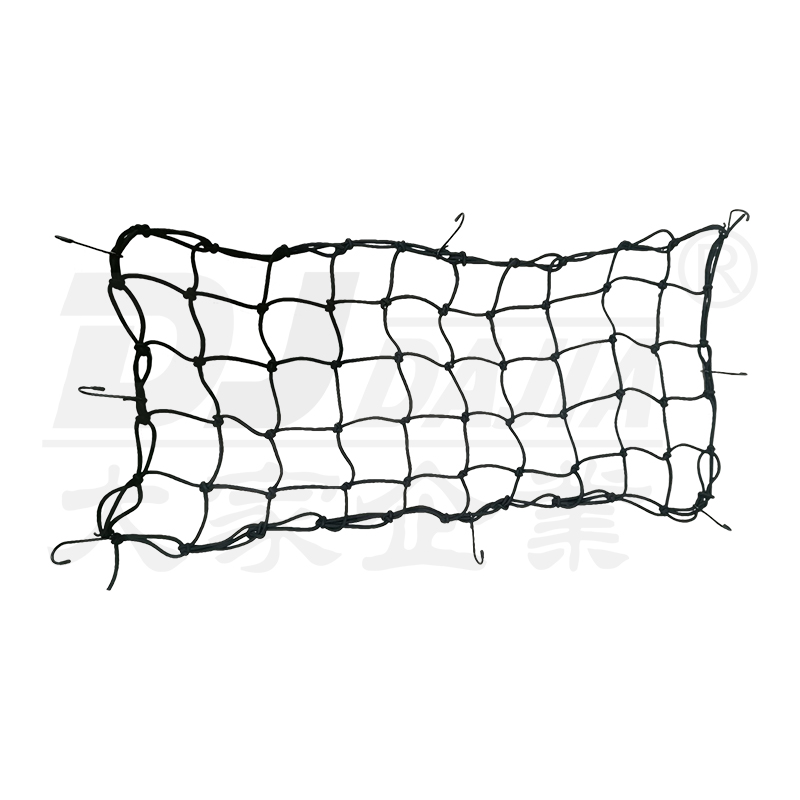
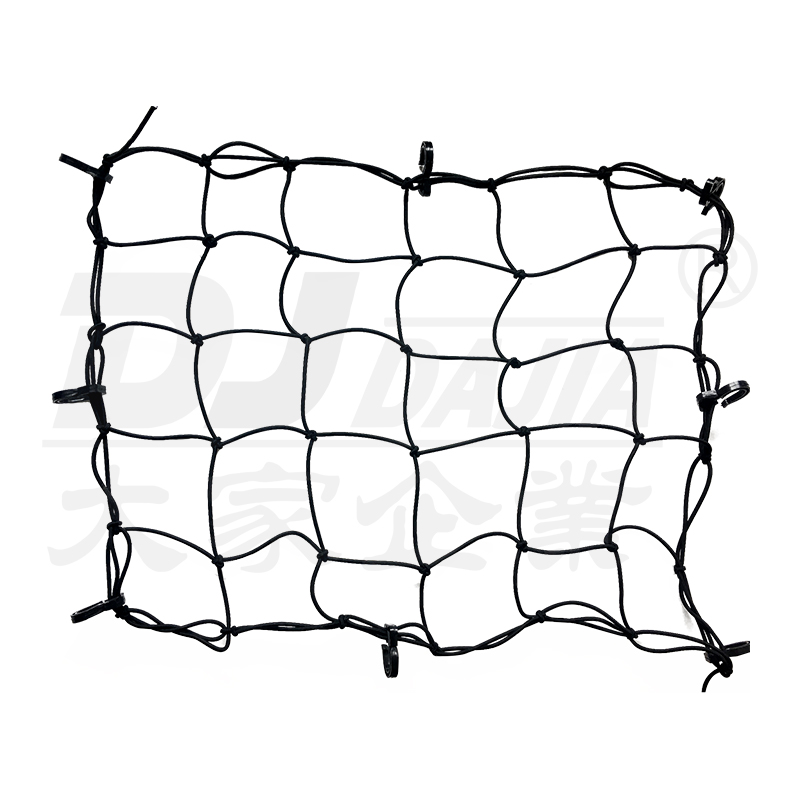
A steel hook for bungee cords is the load-transfer interface between the elastic cord and the anchor point. The cord generates tension; the hook carries that tension into a strap point, rail, eyelet, or frame. In practice, the hook determines three things: how reliably the cord stays connected, how safely it handles peak loads, and how well it resists wear (abrasion, bending, and corrosion).
Because bungee cords stretch, the hook experiences changing forces during vibration and movement (e.g., a tarp flapping or a load shifting). That means the relevant risk is not only “will it hold,” but “will it stay seated and remain intact under repeated cycling.”
Key takeaway: treat the hook as a critical safety component, not a disposable accessory. A better hook typically improves retention (less unhooking), durability (less bending), and surface protection (less scratching).
How to Choose the Right Hook Shape
Hook geometry matters as much as material. The right shape prevents accidental unhooking when the cord relaxes, vibrates, or changes angle.
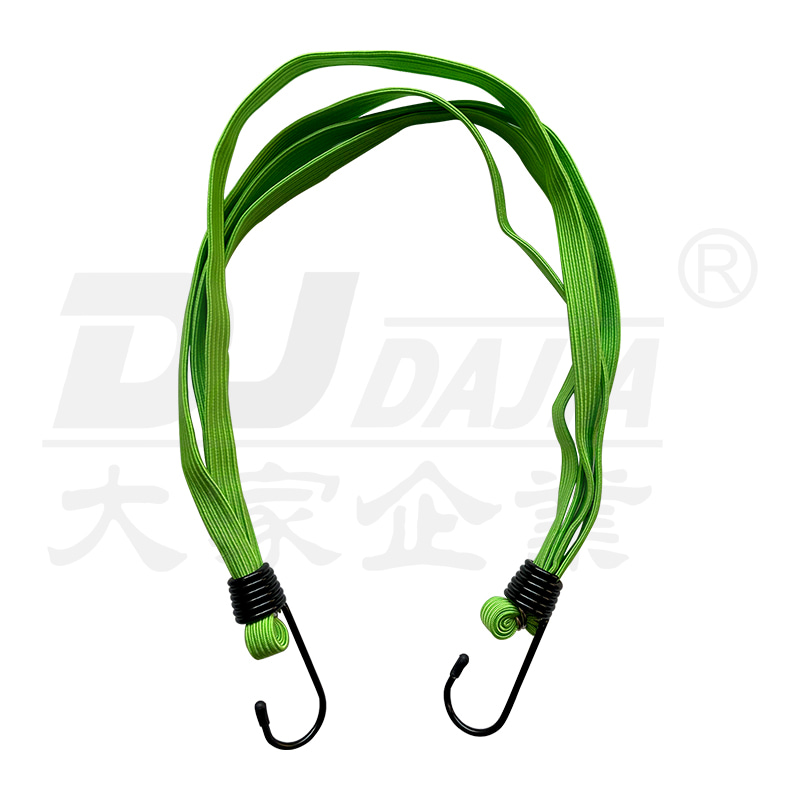
S-Hook
An S-hook is simple and fast, but it can unhook more easily if the anchor point is small or if tension drops. Use it where the cord stays aligned and the anchor is deep enough to retain the curve.
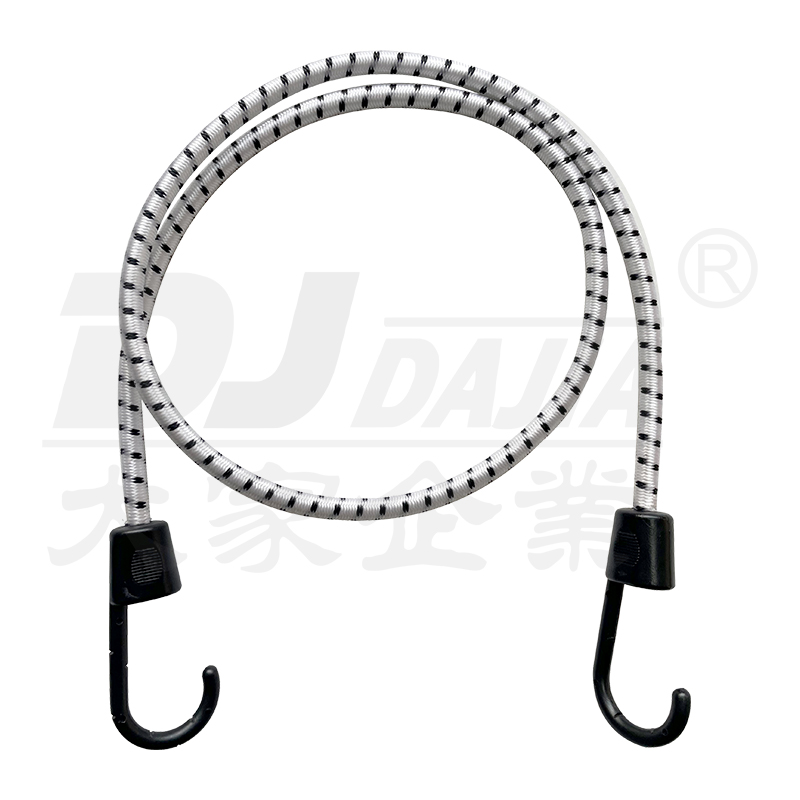
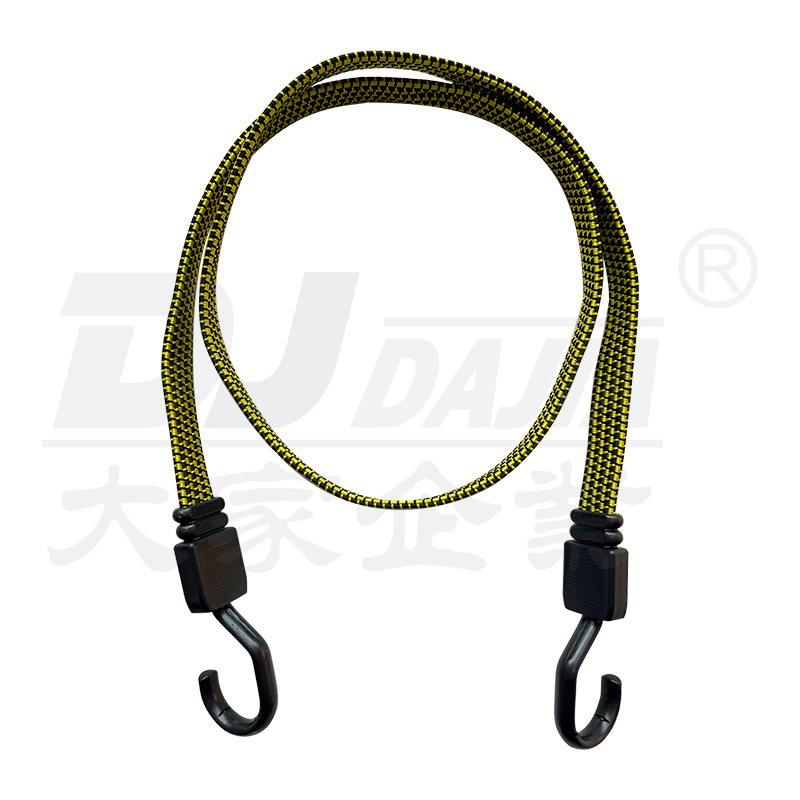
J-Hook
A J-hook offers a deeper throat than an S-hook and tends to stay seated better on rails or larger bars. It is a common choice for tarps and open rails.
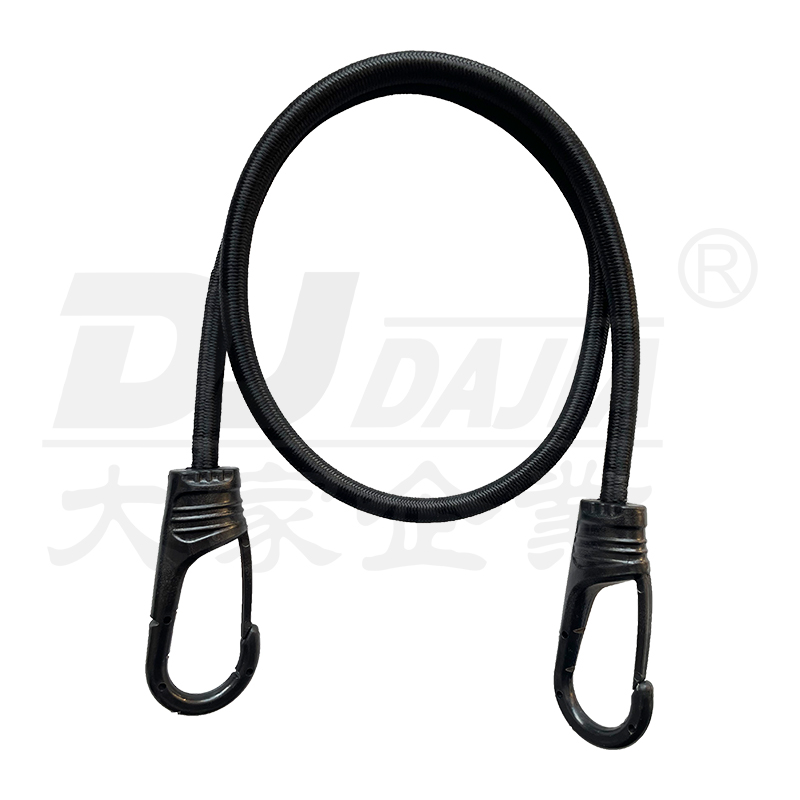
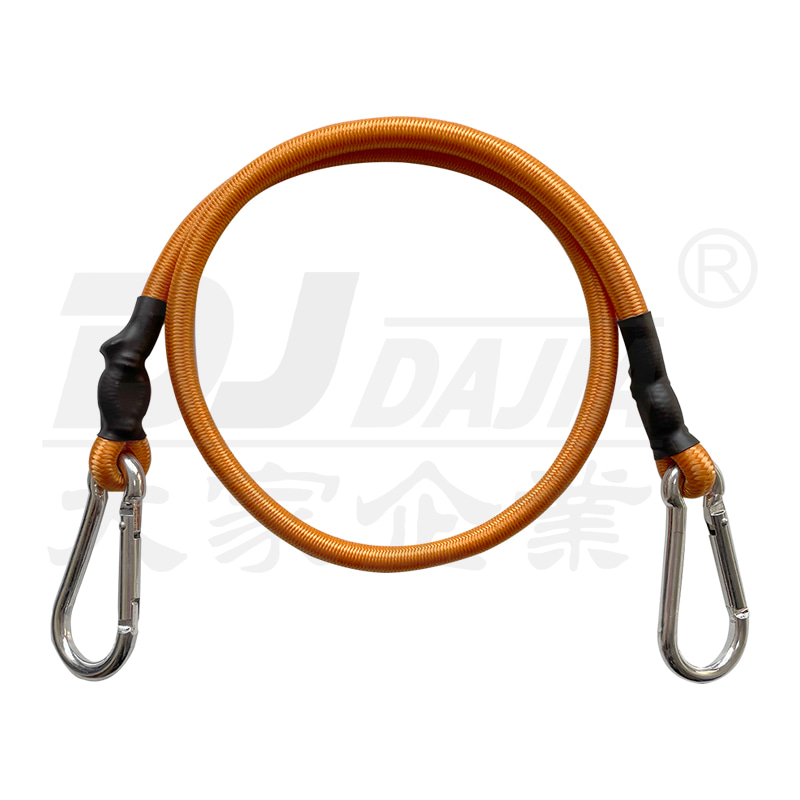
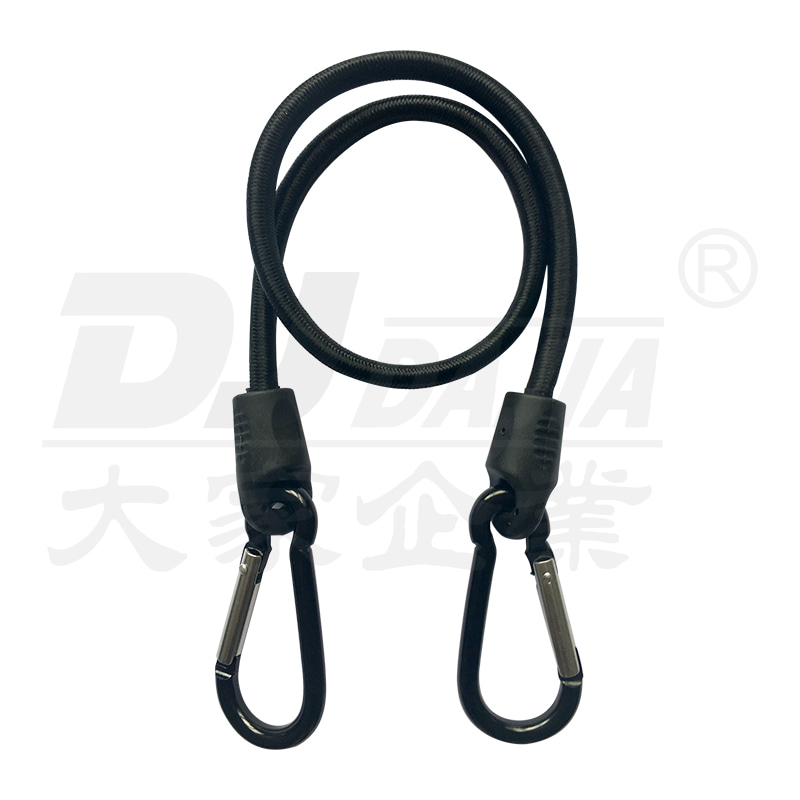
Gated / Carabiner-Style Hook
A spring gate adds retention. This is preferred when the anchor geometry is shallow, the cord may slacken, or the load vibrates (trailers, roof racks). The trade-off is slightly slower attachment and higher cost.
- If accidental unhooking has happened before, prioritize gated designs over open hooks.
- If speed is the main need and anchors are deep (e.g., stake loops), an open J-hook is usually adequate.
- If the anchor is a thin eyelet, choose a hook with a narrower tip and smooth radius to avoid prying.
Steel Type and Finish: Corrosion and Wear Considerations
Steel hooks are typically carbon steel with a protective finish or stainless steel. Your environment should decide the finish.
Zinc-Plated Carbon Steel
A common “default” for general outdoor use. It’s cost-effective, but the protection can be compromised by scratches and abrasion at contact points.
Vinyl-Dipped or PVC-Coated Hooks
Coatings reduce scratching and noise, and they can add corrosion resistance. However, once the coating tears, moisture can be trapped against the steel. Inspect coated hooks regularly at the tip and inner radius.
Stainless Steel (Best for Marine/Coastal)
Stainless is typically the most reliable option where salt spray or frequent wetting occurs. It generally costs more, but it reduces rust-related failures and staining on gear and surfaces.
Practical rule: if you see repeated orange discoloration or pitting on hooks in your storage area, upgrade to stainless or keep zinc-plated hooks strictly for dry conditions.
Understanding Hook “Ratings” for Bungee Use
Bungee setups rarely have clean, standardized ratings the way lifting gear does. Still, you can make safer choices by separating three concepts: expected load, peak load, and deformation risk.
Expected Load vs. Peak Load
If you’re tying down a load in a moving vehicle, bumps and vibration can multiply forces. A conservative planning approach is to assume peak loads of 2× to 3× the “steady” tension you think you’re applying by hand.
Elastic Stretch and Overextension
Many consumer bungee cords perform best when not overstretched. As stretch increases, the cord can lose control (snapback risk), and the hook can see higher shock loads if the load shifts. A safer operating habit is to avoid extreme extension and to use more cords rather than stretching one cord aggressively.
What “Bending” Tells You
A steel hook that has started to open up is giving you an early warning. Any permanent bend indicates the hook has exceeded its elastic limit at least once. Even if it “still works,” its future margin is reduced.
- For moving loads: plan for 2×–3× peak factors and size hooks accordingly.
- If a hook has visibly opened, retire it from tie-down duty.
- Prefer more attachment points over higher stretch to reduce snapback and unhooking.
Sizing and Fit: Matching the Hook to the Cord and Anchor
Fit failures are common: hooks that are too large slip off; hooks that are too small pinch and wear the cord; hooks with sharp radii cut coatings or fray fibers.
Cord-End Connection
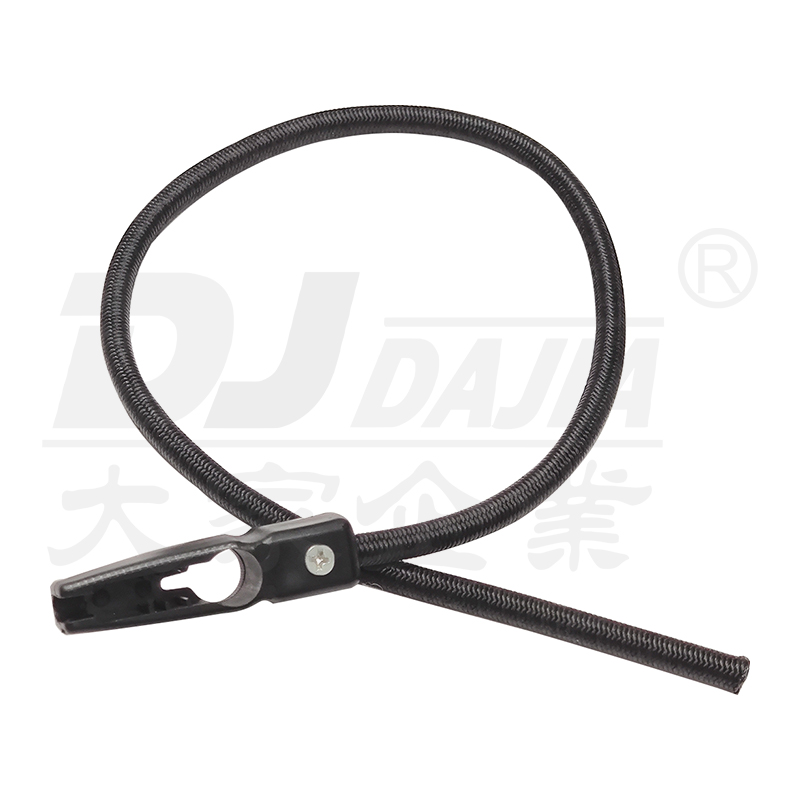
Check how the hook attaches to the cord end: crimped, tied, molded, or clipped. A strong hook is not helpful if the end connection fails first. Look for smooth transitions (no burrs) where the cord contacts metal.
Anchor Compatibility
The hook opening should seat fully on the anchor without riding on the tip. A hook that “balances” on an edge is far more likely to pop off when the angle changes.
| Fit Check | What “Good” Looks Like | Common Problem | Better Choice |
|---|---|---|---|
| Hook opening vs. anchor | Seats deep; contact on inner radius | Balances on tip and slips off | Deeper J-hook or gated hook |
| Cord end interface | Smooth; no burrs; no sharp bend | Fraying near crimp or tie | Better crimp, molded end, or sleeve |
| Angle tolerance | Stays seated when pulled 15–30° off-axis | Pops off when direction changes | Gated hook or different anchor point |
Decision shortcut: if the anchor point is shallow, narrow, or frequently changes angle, choose a gated hook even if the cord itself is light-duty.
Practical Load Planning With Real Examples
Bungee systems are best for retaining and organizing, not for high-consequence restraint. That said, you can still plan conservatively to reduce failures.
Example: Securing a Tarp Over Yard Equipment
Assume wind gusts repeatedly tug the tarp and create snap loads. Instead of stretching one cord to its limit, distribute tension across multiple bungees. If you estimate a “steady” pull of 20 lb per side, a conservative peak factor of 3× suggests designing for ~60 lb peaks per side. Using four attachment points reduces per-hook demand and improves retention.
Example: Light Tie-Down in a Truck Bed
For a 100 lb load that can bounce, using a 2×–3× peak factor implies 200–300 lb of peak force spread across all cords. With four cords, that’s roughly 50–75 lb peak per cord (and per hook, if one hook takes most of the load). This supports using stronger hooks and better anchor geometry rather than relying on a single highly stretched cord.
- Use multiple bungees to lower per-hook peak load and reduce unhooking.
- Route cords so hooks pull into the anchor, not outward off the anchor.
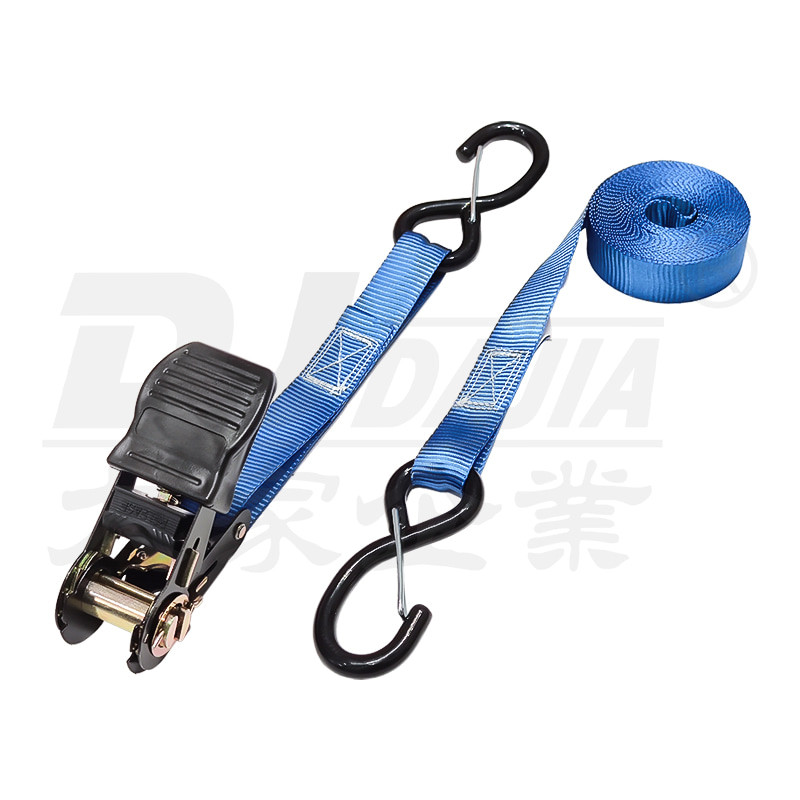
- Upgrade to straps when failure would be dangerous (heavy loads, highway speeds, or anything that could shift into traffic).
Installation Details That Prevent Premature Hook Failure
Most hook problems are caused by edge loading, abrasion, or poor seating rather than “weak steel.” Small setup changes produce large reliability improvements.
Avoid Edge Loading
Edge loading occurs when the hook contacts the anchor at the tip rather than the inner radius. This concentrates stress and can open the hook over time.
Protect the Cord at the Hook
If the hook interface is rough or sharply radiused, the cord sheath can wear quickly. A smooth hook radius and clean coating (or a sleeve) reduces abrasion during vibration.
- Seat the hook fully into the anchor point so the inner curve, not the tip, carries the load.
- Align the pull direction so the hook is pulled deeper into the anchor rather than pried outward.
- After tensioning, lightly tap or wiggle the hook to confirm it remains seated under small direction changes.
- If the hook can rotate into a disengaging angle, switch to a gated hook or a different anchor point.
Installation goal: no sharp bends, no tip loading, and no “balanced” hooks that could fall off when tension drops.
Inspection and Replacement Criteria
A steel hook for bungee cords should be inspected like any small hardware that sees repeated cycling. The inspection is quick and prevents sudden failures.
What to Look For
- Permanent opening or bending: indicates prior overload; retire the hook.
- Rust at contact points: reduces cross-section and can accelerate cracking under cyclic load.
- Cracks in coating: especially near the tip and inner radius, where abrasion is highest.
- Burrs or sharp edges: can cut cord sheathing and cause sudden cord failure.
If the hook is fine but the cord end is fraying near the attachment, replace the cord or rebuild the termination. In many consumer setups, the cord end fails before the hook, so check both.
Best-Use Scenarios and When Not to Use Bungee Hooks
Steel hooks on bungee cords excel at retention, organization, and light stabilization. They are less appropriate where absolute restraint is required.
Good Uses
- Holding tarps closed or reducing flap on light covers.
- Bundling gear (camping, garage storage, cable management).
- Preventing lid bounce on bins or coolers (secondary restraint).
Avoid or Upgrade (Straps, Ratchets, or Locking Hardware)
- Heavy loads in a vehicle at speed where failure could cause injury or property damage.
- Overhead applications or any scenario resembling lifting.
- Anchors with sharp edges that can cut hooks or cords during vibration.
Bottom line: choose a steel hook for bungee cords that matches your anchor geometry and environment, plan for peak loads, and replace hooks at the first sign of deformation.